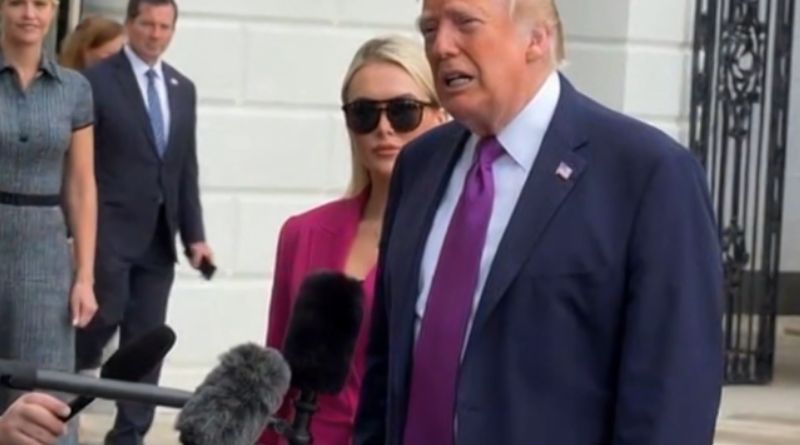
In a historic first for the United States, federal prosecutors on Thursday charged former President Donald Trump with conspiring to defraud the United States, obstructing the official certification of the 2020 presidential election, and interfering with citizens’ constitutional voting rights.
The indictment alleges that Trump and his associates engaged in a coordinated effort to challenge and overturn the election results in the weeks following November 2020. Prosecutors claim these actions went beyond legitimate political advocacy, crossing into an alleged scheme to disrupt the peaceful transfer of power and undermine the electoral process.
According to court documents, the charges focus on multiple avenues pursued by Trump and allies, including pressure on state officials, alternate elector slates, and efforts to influence the January 6 congressional certification. Special Counsel Jack Smith’s team argues the conduct threatened core democratic institutions.
The case has intensified an already polarized national debate. Supporters of the prosecution view it as a vital affirmation that no individual — even a former president — is above the law. Trump and his defenders, however, denounce the charges as politically motivated “lawfare” timed to damage a leading 2024 candidate and distract from other pressing issues.
As the matter proceeds in federal court, attention will turn to key legal questions, including the scope of presidential immunity for official acts, the admissibility of evidence, and First Amendment protections for political speech. Legal observers expect protracted litigation that could reach the Supreme Court.
Whatever the ultimate verdict, the proceedings are poised to shape public trust in elections, debates over executive authority, and the norms governing political accountability for years to come.