Trump Health Rumors Highlight Challenges of Misinformation in Digital Age
In the hyper-connected digital landscape of 2026, minor disruptions to a high-profile public figure’s schedule can rapidly ignite widespread speculation. This dynamic played out vividly in early April when unverified claims about President Donald Trump’s health surged across social media platforms. Reports suggested he had been admitted to Walter Reed National Military Medical Center, prompting concern among supporters and observers alike. While the rumors proved unfounded, the episode underscored the speed at which unconfirmed information can spread and shape public perception.
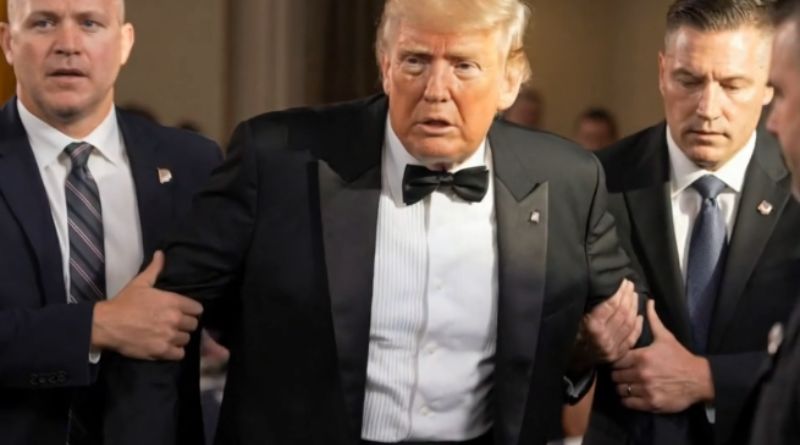
The speculation originated from adjustments to Trump’s public calendar around April 4, including canceled appearances during the Easter weekend period. In the absence of immediate detailed explanations, social media users began sharing posts alleging a medical emergency. Platforms like X (formerly Twitter) saw a sharp increase in related discussions, with some claims amplified by recycled footage and unverified assertions. As engagement grew, the narrative evolved, creating confusion despite the lack of supporting evidence from credible sources.
Social media algorithms, which often prioritize emotionally resonant content, played a central role in the rapid dissemination. Posts evoking strong reactions gained significant visibility through shares and resharing, reaching broad audiences within hours. This phenomenon is not unprecedented; similar waves of speculation have surrounded public figures in the past when routine schedule changes coincide with limited transparency. Fact-checking organizations later noted the use of outdated videos and other materials to bolster the claims.
White House officials moved quickly to address the misinformation. Communications staff, including Rapid Response Director Steven Cheung, stated that President Trump was actively working from the White House and had not been hospitalized. A Marine sentry at the West Wing further indicated his presence at the executive residence. The administration emphasized there was no medical emergency, aiming to reassure the public and curb the spread of false reports.
Trump has a documented history of routine health disclosures. He has been treated for chronic venous insufficiency, a common circulatory condition among older adults that is generally manageable with standard care. Recent scheduled visits to Walter Reed, including physical examinations, have consistently reported him in good health. No official updates connected his prior conditions to the April rumors.
The public reaction reflected the polarized nature of online discourse. While some expressed genuine worry, others urged caution and reliance on verified information. Reputable news outlets and fact-checkers played a stabilizing role by monitoring claims and providing context, highlighting the importance of credible sourcing amid incomplete details.
This incident illustrates broader challenges in the modern media environment. Schedule changes for prominent leaders inevitably attract scrutiny due to their visibility and tightly managed calendars. In Trump’s case, his energetic public profile amplifies attention to any deviation. The episode serves as a reminder of the tension between the instantaneous nature of digital communication and the need for accuracy.
Key lessons include the necessity of media literacy, the value of prompt official clarification, and the responsibility of platforms and individuals to prioritize facts over speculation. As information travels faster than ever, distinguishing reliable sources remains essential to maintaining an informed public dialogue.
As of mid-2026, President Trump continues to fulfill his duties without interruption from health-related issues. The April episode, driven primarily by speculation rather than evidence, reinforces the ongoing need for vigilance against misinformation in an era where digital platforms can both inform and mislead.