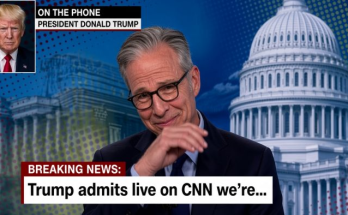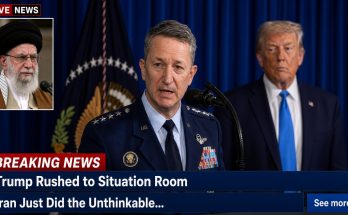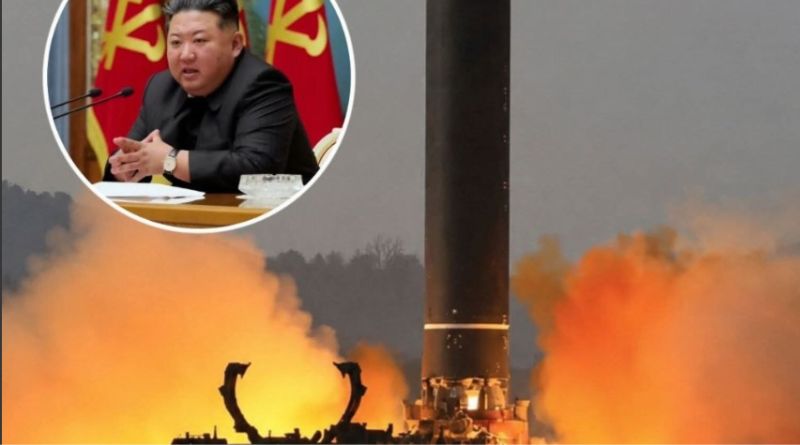
Sensational Headlines on North Korea and Trump Often Lack Substance
A headline claiming that North Korea has directly threatened Donald Trump is circulating online, but the details behind it tell a different story.
At first glance, such reports sound alarming. They frequently employ urgent language like “BREAKING” paired with phrases suggesting an immediate, personal confrontation. However, closer examination often reveals a reliance on vague wording, incomplete context, and unverified claims rather than confirmed developments.
There is no evidence of new confirmed military action, an official high-level declaration targeting Trump personally, or an acute emergency in the latest reporting. North Korea has issued routine criticisms of U.S. policy and joint exercises with South Korea, as it has for years, while continuing its nuclear and missile programs. These statements reflect longstanding tensions but do not equate to a novel, direct threat of the type implied by some viral posts.
This pattern is common in digital media: leveraging prominent names and geopolitical friction to generate clicks. Readers naturally fill in gaps with worst-case assumptions, even when core facts—such as verified escalation or imminent risk—remain absent.
Verification remains essential. Reliable sources emphasize cross-checking beyond headlines, as accurate context on U.S.-North Korea relations requires nuance amid ongoing diplomatic and security challenges. In an era of rapid information spread, distinguishing substantiated reporting from sensationalism helps maintain clarity on complex international issues.