Trump’s Warning to the Press Sparks Debate on Media Independence
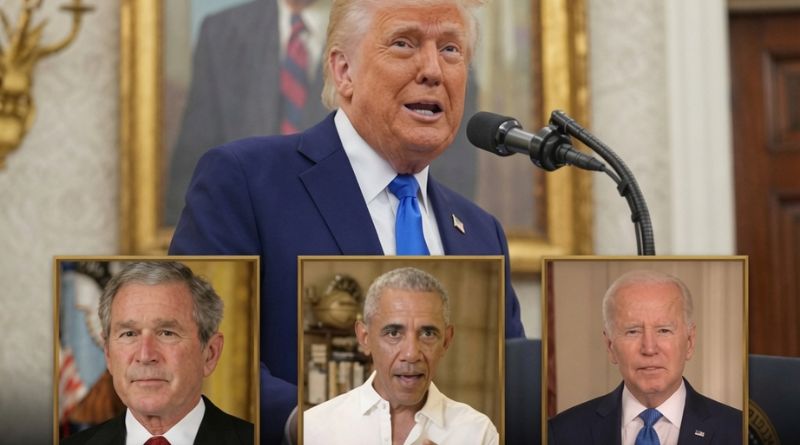
In a moment that hushed the room, former President Donald Trump told reporters that the press itself was “going to change.” The remark, focused not on policy or foreign affairs but on the media’s operations and future, left many journalists stunned — some already typing furiously as they processed the implications. Observers described the statement as crossing a line from routine criticism into a signal of potential retaliation.
Defenders of press freedom argue that such rhetoric cannot be dismissed as mere political theater. An independent press, they contend, serves as a cornerstone of democratic accountability, safeguarding public access to information and checking government power. When leaders single out which stories or outlets are permissible, history shows democracies can erode quickly.
Recommended responses from within the industry emphasize two main pillars. First, journalists should respond with “radical clarity”: consistently explaining to audiences the role of an independent press, the protections it offers citizens, and the risks of political interference. This includes demonstrating rigorous standards — showing their work transparently, correcting errors swiftly, and maintaining resolve in the face of pressure.
Second, the moment calls for greater solidarity across the profession. Competing newsrooms are urged to collaborate through joint statements, shared investigations, coordinated legal strategies, and a unified refusal to accept restrictions such as gag orders, blacklists, or access granted only in exchange for favorable coverage. Press freedom organizations, local outlets, and major national organizations would function as a single ecosystem rather than isolated entities.
The core message remains straightforward: the U.S. Constitution enshrines press freedom, and news organizations intend to uphold it without concession.
This episode highlights longstanding tensions between the Trump administration’s past approach to the media and traditional notions of journalistic independence. As political rhetoric intensifies, both sides are preparing for what could become a defining contest over the boundaries of criticism and control in American public life.