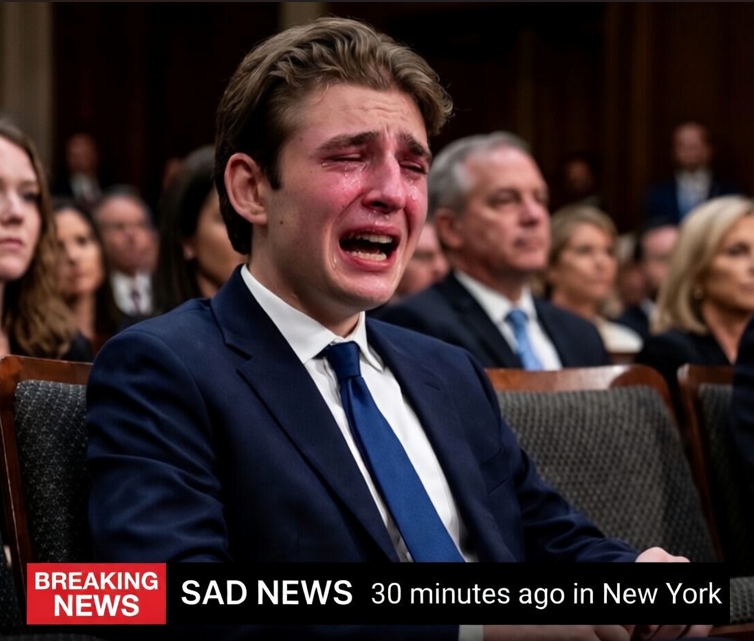
As discussion surrounding U.S. foreign policy intensified online, an unexpected name entered the conversation: Barron Trump. Social media users began sharing hashtags suggesting that the president’s youngest son should serve in the military, often linking the debate to long-standing public criticism over draft deferments during the Vietnam War. The posts quickly triggered broader arguments about fairness, family legacy, and civic responsibility, though online campaigns have no role in determining military eligibility.
In reality, the United States does not currently operate under an active military draft. Men are still required to register with the Selective Service System when they turn 18, but conscription would only occur if authorized again by Congress. Any future military call-up would follow federal law and established screening procedures rather than public opinion.
Physical eligibility remains one of the most important requirements for enlistment. The U.S. military applies strict medical, height, and weight standards to all applicants. Although very tall individuals can qualify, some specialized positions — including aviation, submarines, and armored vehicle operations — impose maximum height limits, often near 6 feet 8 inches, because of equipment size and safety requirements. Ultimately, military service eligibility is determined through legal standards, medical review, and physical assessment ⚖️🇺🇸📋 — rules that apply equally to public figures and private citizens alike.