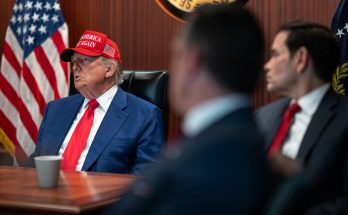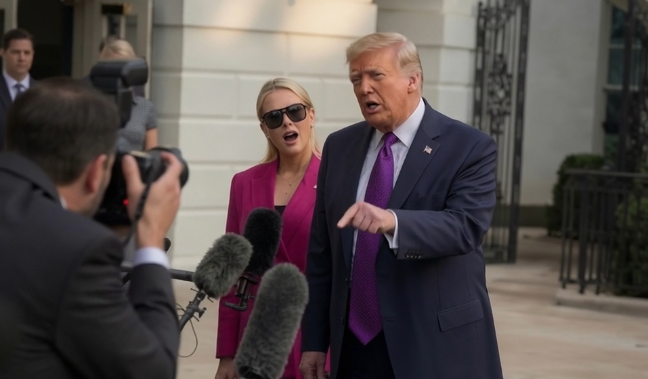
That Thursday represented a historic and unprecedented moment in American history. For the first time, a former president faced federal criminal charges for actions allegedly taken after leaving office. Prosecutors accused Donald Trump of conspiring to defraud the United States, obstructing the official certification of the 2020 presidential election, and interfering with citizens’ constitutional rights in the voting process.
According to the indictment, what began as challenges to the election results evolved into a coordinated effort to disrupt the lawful transfer of power. Federal prosecutors detailed a series of alleged actions they say were designed to undermine the electoral system and democratic institutions. The case centers on efforts to contest results in key states and pressure officials involved in certifying the election.
The indictment has profoundly divided the American public. Supporters of the prosecution view the charges as a critical step in upholding the principle that no individual — regardless of political stature or past position — stands above the law. They argue it reinforces accountability and protects the integrity of democratic processes. Critics, however, denounce the case as politically motivated, claiming it weaponizes the justice system against a prominent political opponent and former president. They contend the timing and nature of the charges raise serious questions about fairness and impartiality.
As the legal proceedings advance through the courts, attention will center on the strength of the evidence, legal arguments from both sides, and potential testimony from key witnesses. The case is expected to test interpretations of presidential authority, official acts, and the boundaries between political advocacy and criminal conduct.
Regardless of the final verdict, the proceedings are likely to leave a lasting mark on the nation. They will influence ongoing debates about the limits of executive power, the role of the Department of Justice in politically sensitive matters, and public trust in America’s democratic institutions and electoral system. The outcome could shape how future administrations and political leaders navigate contested elections and transitions of power.