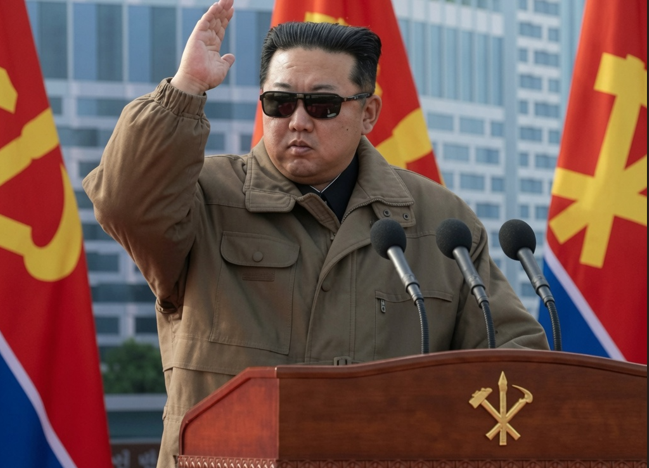
Recent online claims alleging that South Korea issued orders to launch a military attack against another nation have been confirmed as false. The reports, which circulated widely across social media platforms and various websites, generated public concern despite lacking credible evidence or official confirmation.
South Korean government officials have firmly denied the allegations, stating that no offensive military orders have been issued. Authorities emphasized that the country’s armed forces remain focused on national defense, maintaining regional stability, and supporting ongoing diplomatic efforts with international partners. Officials also reiterated that South Korea continues to closely monitor developments affecting security on the Korean Peninsula while coordinating with allies to preserve peace in the region.
The rapid spread of the false reports illustrates the growing challenge posed by online misinformation, particularly during periods of heightened geopolitical tension. Sensational headlines and unverified social media posts can quickly gain traction, reaching large audiences before factual information becomes widely available. Such claims have the potential to create unnecessary public anxiety, fuel speculation, and contribute to confusion about international events.
Media analysts note that digital platforms often reward highly engaging content, regardless of its accuracy. As a result, misleading stories can spread rapidly when they appeal to emotions or present dramatic scenarios. This underscores the importance of carefully evaluating information before accepting or sharing it, especially when it involves national security or international affairs.
Experts recommend relying on multiple credible sources when following breaking news. International news organizations such as the Associated Press, Reuters, and the BBC maintain rigorous editorial standards that include verification from official sources before publishing major developments. Government statements and announcements from recognized public institutions also remain important resources for confirming significant events.
The incident serves as a reminder of the value of media literacy and responsible information sharing in today’s digital environment. Taking a few moments to verify a claim before reposting it can help reduce the spread of misinformation and encourage more informed public discussion.
As global events continue to unfold at a rapid pace, distinguishing verified reporting from unsubstantiated rumors remains essential. Careful fact-checking and responsible news consumption help ensure that public understanding is based on reliable information rather than speculation, ultimately supporting greater trust and stability during periods of uncertainty.