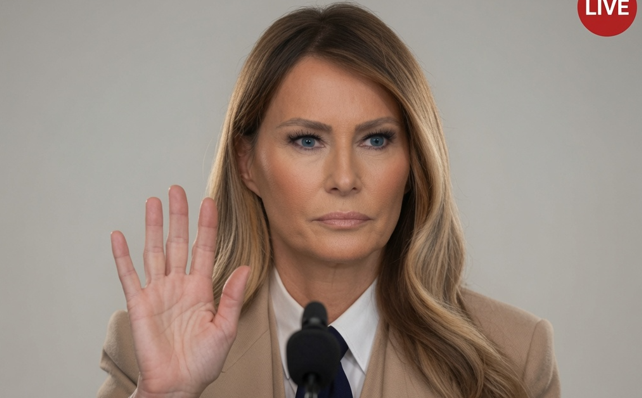
A federal judge has dismissed a lawsuit filed by author Michael Wolff against First Lady Melania Trump, ruling that the case was filed prematurely and did not meet the requirements for federal court intervention.
In a 45-page opinion issued Friday, U.S. District Judge Mary Kay Vyskocil of the Southern District of New York declined to hear the matter. While acknowledging a genuine dispute between the parties, the judge determined that Wolff’s request for a declaratory judgment — essentially seeking a preemptive ruling that he would prevail if Melania Trump filed a defamation suit — was not an appropriate use of the federal courts.
“While Plaintiff and the First Lady have a real dispute, they must litigate it according to the same procedures as everyone else,” Judge Vyskocil wrote. “Plaintiff asks for a declaration that, if the First Lady sues him, he deserves to win. That is not how the federal courts work.”
The dispute stems from public comments by Wolff linking Melania Trump to the late financier Jeffrey Epstein. In response, Melania Trump’s attorney, Alejandro Brito, sent Wolff a demand letter calling for a retraction and warning of a potential defamation lawsuit seeking substantial damages.
Rather than wait for formal legal action, Wolff filed suit in New York state court, seeking a declaratory judgment that his statements were protected under the First Amendment or had been misinterpreted. He also argued that the Trump family has a history of using litigation to deter criticism. The case was subsequently removed to federal court.
Following the dismissal, a spokesperson for Melania Trump expressed satisfaction with the outcome, stating that the First Lady would continue to defend her reputation against false and defamatory claims. Melania Trump has repeatedly denied any association with Epstein or Ghislaine Maxwell, asserting she never visited Epstein’s private island, never flew on his aircraft, and had no knowledge of his criminal activities.
Importantly, the court’s decision focused exclusively on procedural grounds and did not address the underlying merits of any potential defamation claim. This leaves open the possibility for Melania Trump to pursue litigation in an appropriate forum in the future.
Wolff, known for his books on the Trump family, has defended his reporting and framed the case as raising important questions about free speech and protections for the press. The ruling highlights the limits of using declaratory judgments to preempt defamation disputes and reinforces that high-profile parties must follow standard legal procedures.