Internal Debate After Harris’s Loss Focuses on Strategy, Not Just Timing
Kamala Harris’s loss to Donald Trump in the 2024 presidential election quickly produced a familiar post-campaign argument: was the outcome mainly a matter of late timing, or did the campaign itself misread the electorate? Allies split along those lines. Some pointed to President Joe Biden’s delayed withdrawal as the decisive handicap. Others, including former staffers, rejected that explanation as incomplete and said the campaign never fully adapted to a new race.
The more pointed critique from insiders was that the Harris team treated her candidacy as an extension of an existing Democratic coalition rather than a contest that required its own diagnosis. According to those accounts, the campaign assumed durable support in key groups and regions without sufficiently testing that assumption. Optimism, they said, often outran the data. As the race tightened, that left blind spots in places where voters were shifting or simply not as locked in as strategists expected.
Former San Francisco Mayor Willie Brown, a longtime Harris ally, offered one of the sharper public assessments. He argued that the campaign failed to interrogate its own assumptions and repeated mistakes visible in earlier Democratic losses, including Hillary Clinton’s 2016 defeat. Brown’s complaint was not that the team lacked effort, but that it did not ask hard enough questions about whether the old map and the old message still applied. His remarks reflected frustration more than personal attack, and they aligned with a broader claim from former aides: warning signs were visible and not fully confronted.
Messaging compounded the problem. The campaign tried to speak to many constituencies at once, which diluted a clear central argument. Time spent defending Biden’s record also limited Harris’s ability to define herself independently. Voters were left to decide whether she represented continuity or change, and mixed signals made that choice harder. In contrast, Trump’s campaign kept a narrower, more consistent frame. His rallies generated energy, his base stayed engaged, and his team portrayed Harris as inexperienced and detached from everyday concerns. That contrast in focus, insiders said, helped shift the narrative as the campaign entered its final stretch.
The closing weeks exposed the cost of delayed adjustment. Key battleground states did not receive sustained, tailored attention until late. Outreach to rural voters and Latino communities arrived after momentum had already moved. Support among younger voters softened. National themes often crowded out local issues that might have mattered more in specific counties and media markets. By the time the campaign tried to course-correct, the window for recovery had largely closed.
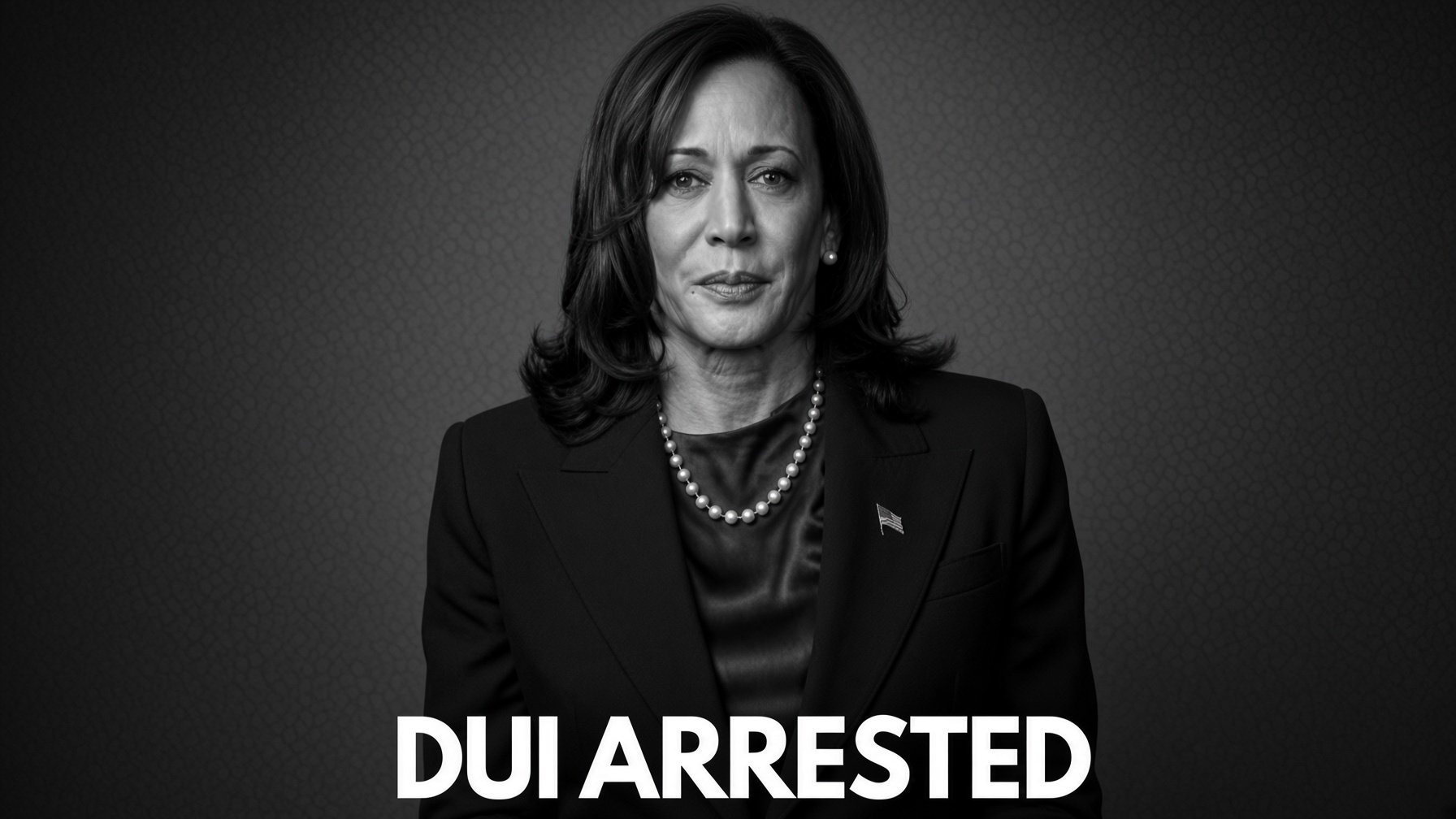
The defeat also carried a personal weight that reports from election night made plain. Harris was seen wiping away tears as returns came in. For supporters, the loss was both political and symbolic. Behind the public reaction, however, the more durable conversation among Democrats has been about realism: whether future campaigns will treat coalition math as something that must be rebuilt rather than inherited, and whether they will test assumptions before they harden into strategy.
None of this erases the structural factors of 2024—incumbent fatigue, inflation’s lingering effects, and a late candidate switch. Timing mattered. But the internal argument after the loss is that timing alone does not explain why the campaign struggled to redefine the race once it became Harris’s to run. The critique from staffers and from figures like Brown is that the operation misread the political landscape early, clung too long to a continuation strategy, and never fully closed the gap between the coalition it expected and the voters it actually needed. That is the lesson several Democrats say must be absorbed if the party wants a clearer theory of the electorate next time.