U.S.-Iran Talks Continue as Hormuz Dispute Remains Unresolved
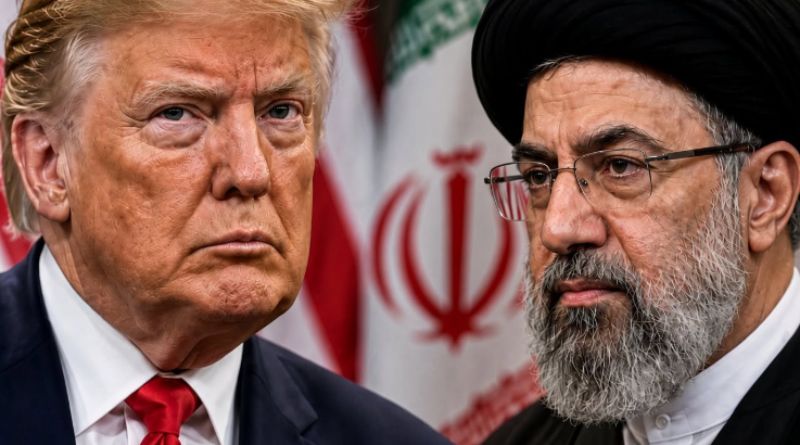
President Donald Trump and senior administration officials, including Vice President JD Vance and Secretary of State Marco Rubio, continue to pursue a diplomatic path toward ending the conflict with Iran, while disagreements over the Strait of Hormuz and Tehran’s nuclear program remain central to negotiations.
Rubio has repeatedly emphasized that the Strait of Hormuz must remain open to international shipping. The secretary has said the United States will continue defending American forces and commercial shipping against threats in the region, while maintaining that Iran cannot be allowed to control the strategic waterway.
The issue has become increasingly urgent as shipping through the strait remains far below normal levels. Reuters reported Tuesday that only four commodity vessels transited the waterway on Monday, compared with a prewar average of roughly 125 daily transits. Diplomatic efforts involving Iran and Gulf states have also faced delays.
Military Tensions Continue
Despite diplomatic efforts, military confrontations have continued. U.S. Central Command has reported multiple recent engagements involving Iranian forces and American warships in the region. Earlier this month, CENTCOM said U.S. forces struck three Iranian crude-oil carriers after Iranian forces launched ballistic missiles toward two U.S. Navy warships.
More recently, U.S. forces also confronted Iranian boats near the Strait of Hormuz after an attempted seizure of a U.S. Navy unmanned vessel, according to U.S. officials. The incident underscored the continuing risk of escalation even as diplomatic channels remain active.
Nuclear Program at Center of Negotiations
The future of Iran’s nuclear program remains another major issue. The Trump administration has demanded significant restrictions on Iran’s nuclear activities, including limitations on enriched uranium, while tying possible sanctions relief to Iranian compliance.
Earlier proposals discussed by U.S. officials have linked reopening the Strait of Hormuz with broader negotiations over Iran’s nuclear program and potential sanctions relief. The administration has also sought commitments that would go beyond the limits established under the 2015 nuclear agreement.
No Final Agreement Yet
Although diplomatic efforts have produced areas of discussion and some reported progress, there is no indication that a comprehensive final agreement has been signed. Recent reporting shows that disagreements over control and security of the Strait of Hormuz remain significant, while regional governments continue attempting to find an arrangement that would restore safer commercial shipping.
For now, the situation remains a combination of diplomacy and military pressure: negotiations continue, but confrontations around the Gulf and the Strait of Hormuz demonstrate how fragile the effort to end the conflict remains.