Federal authorities have achieved a breakthrough in the investigation into the tragic shooting at Old Dominion University (ODU), arresting Kenya Chapman for the illegal sale of the firearm used in the massacre. The attack, which occurred during an ROTC class on March 12, resulted in the death of Lt. Col. Brandon Shah and left two others injured. The gunman, identified as Mohamed Jalloh, was a former convict previously sentenced for attempting to provide material support to ISIS. Despite being on supervised release at the time, Jalloh obtained a .22 caliber Glock 44 with an altered serial number from Chapman, who has now been taken into federal custody. Following a six-hour search of a residence in Smithfield, FBI agents recovered critical evidence, including the $100 bill Jalloh used to purchase the weapon. While Chapman initially claimed he found the pistol in the woods, he later admitted to stealing the firearm from a vehicle in Newport News approximately one year prior. FBI investigators utilized cellphone data to track Jalloh’s movements, proving he visited Chapman’s location multiple times before heading directly to the Norfolk campus on the morning of the shooting. A bag of ammunition matching the caliber of the murder weapon was also discovered during the search.
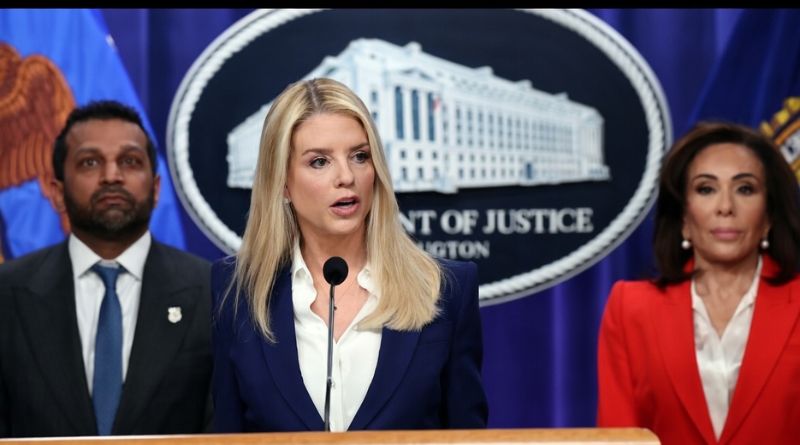
The arrest has sparked a sharp political response regarding law enforcement and firearm trafficking. Virginia Representative Jen Kiggans emphasized that the tragedy was facilitated by a criminal who bypassed legal channels, stating that illegal gun trafficking remains a profound threat to public safety. Meanwhile, U.S. Attorney General Pam Bondi criticized the Department of Justice’s earlier handling of Chapman, who had been investigated by the ATF in 2021 for suspected straw purchasing but was only issued a warning. Bondi characterized this past leniency as a failure of “soft-on-crime” policies that ultimately led to the loss of life at ODU.
FBI Director Kash Patel reaffirmed the bureau’s commitment to holding all parties accountable, noting that the agency will aggressively pursue anyone who places weapons in the hands of terrorists. Chapman now faces federal charges for dealing firearms without a license and making false statements. If convicted, he faces a maximum penalty of 35 years in prison. The investigation remains ongoing as authorities continue to piece together the full extent of the network that enabled the attack.