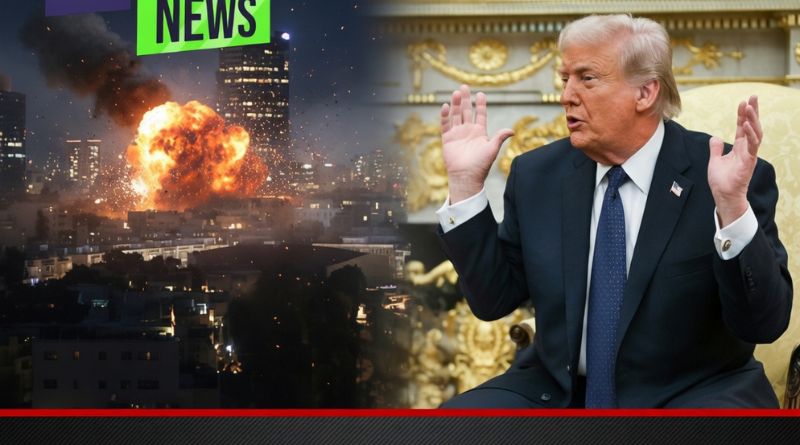
Following the seismic assassination of Iranian Supreme Leader Ali Khamenei during a joint U.S.-Israeli airstrike in Tehran on February 28, U.S. intelligence agencies have intercepted a high-priority encrypted communication. Reported by ABC News, the transmission is categorized as a possible “operational trigger” originating from within Iran, intended to activate sleeper assets—clandestine individuals embedded in foreign nations who remain dormant until receiving specific instructions. This digital signal was detected shortly after the rapid elevation of Mojtaba Khamenei to the supreme leadership, signaling a volatile transition of power and a likely shift toward retaliatory clandestine operations. Analysts emphasize that the communication utilized “international rebroadcast characteristics,” a sophisticated, non-internet-based method designed to distribute coded passcodes over long distances to recipients capable of decoding them via predetermined protocols.
The domestic threat landscape within the United States has shifted significantly as security officials investigate the potential presence of organized Iranian sleeper cells. These concerns are amplified by the existence of a “passport pipeline” through Venezuela, a pathway that has allegedly allowed Tehran-linked operatives to infiltrate the Western Hemisphere and establish a foothold near the U.S. border. Charles Marino, a former advisor to the Department of Homeland Security and Secret Service supervisor, warned that the nation could be facing a “convergence” of threats. Marino suggested that even a small cell of 10 to 20 individuals could carry out devastating, simultaneous attacks on “soft” targets. Public venues such as concerts, sporting events, and the upcoming World Cup—already designated as a National Special Security Event—are under heightened scrutiny due to their potential for high-casualty counts.
On the geopolitical stage, the conflict has escalated into a full-scale military campaign known as Operation Epic Fury. This U.S.-led initiative has successfully targeted over 2,000 objectives, including Iranian missile facilities, nuclear sites, and high-level leadership positions. White House Press Secretary Karoline Leavitt recently praised President Donald J. Trump’s decisive military posture, stating that the “rogue Iranian terrorist regime” is being “absolutely crushed.” Leavitt framed the current administration’s actions as a necessary correction to “decades of cowardice” in American foreign policy, asserting that Trump is a “man of action” who does not bluff. However, internal tensions have surfaced between Washington and Jerusalem. Israeli military strikes on Iranian oil depots have raised alarms among White House officials, who fear that such operations could destabilize the global market and cause gasoline prices to surge for American citizens. As the war enters its second week, the United States must navigate the dual challenge of neutralizing threats abroad while hardening domestic defenses against potential asymmetric retaliation.