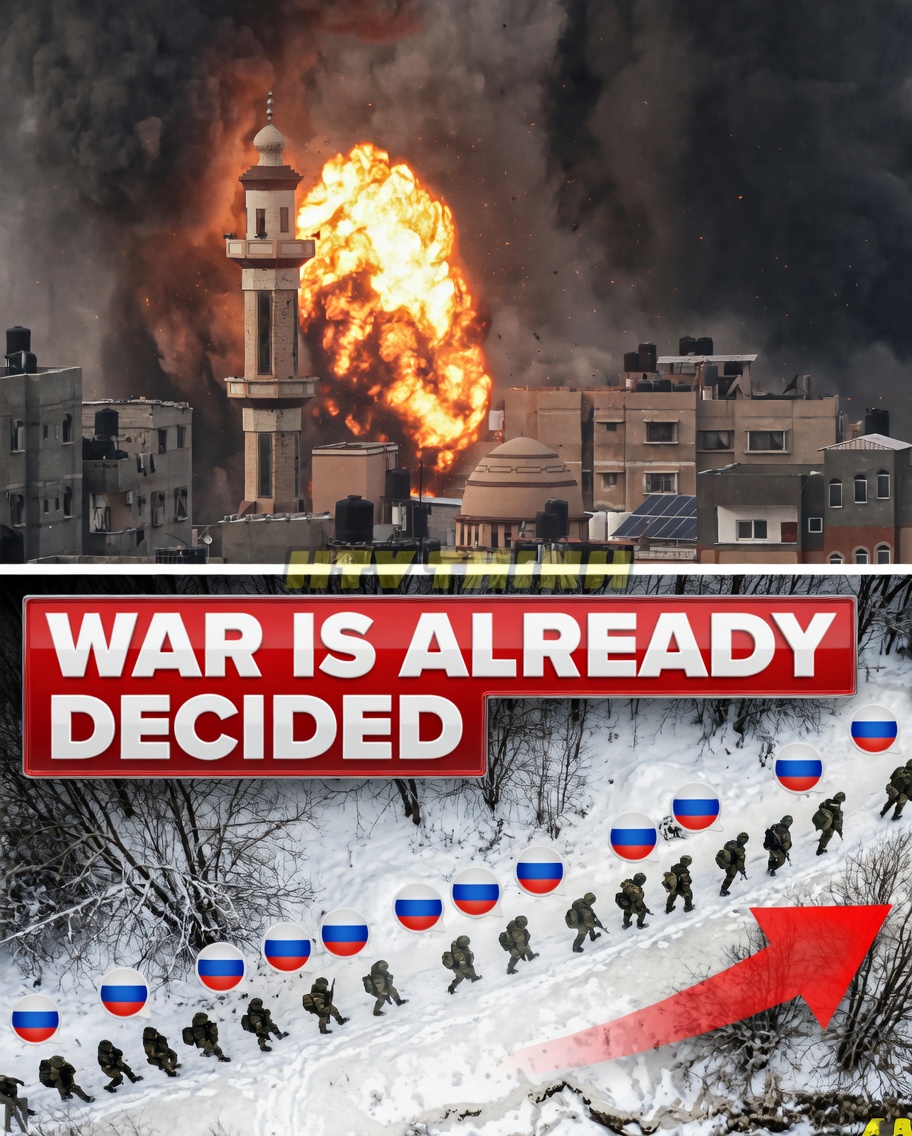
In the heart of Eastern Europe, the once-monolithic power of the Kremlin is facing an unprecedented internal crisis. Vladimir Putin, who has long maintained control through an iron fist, now oversees a military apparatus that is reportedly crumbling under the weight of its own systemic failures. What was previously marketed as a formidable global force is now struggling with mass surrenders, starvation, and a complete breakdown of order. As the invasion continues, the strategic city of Chasiv Yar has emerged as a somber symbol of this turmoil, where abandoned troops face the lethal indifference of their own leadership. The facade of strength is rapidly eroding, revealing a military that is effectively eating itself alive. The situation on the front lines is described as nothing short of hellish. Reports indicate that Russian soldiers are surrendering in significant numbers, driven by a profound sense of betrayal and the physical reality of inadequate supplies. The camaraderie that once sustained these ranks is disintegrating, replaced by a desperate fight for individual survival. This collapse is not merely a tactical setback but a fundamental erosion of the military’s resolve, as soldiers find themselves caught in a conflict with no clear path to victory. The psychological toll is immense, with many grappling with hopelessness as they are forsaken by the state they were sworn to protect. At the center of this administrative chaos is General Sergei Shoigu, Russia’s Minister of Defense. Despite his persistent efforts to project an aura of strength and stability, the reality on the ground continues to contradict official proclamations. The stark disconnect between the Kremlin’s narrative of success and the harrowing experiences of the troops has left the regime looking increasingly fragile and vulnerable. As Moscow’s false victories are exposed, the internal structure of the military appears to be fracturing from within, with soldiers beginning to question their loyalty to a regime that prioritizes its image over their welfare.
Amidst this Russian vulnerability, Ukrainian President Volodymyr Zelenskyy has seized the momentum to rally his forces. The Ukrainian military, bolstered by a renewed sense of purpose and strategic clarity, is tightening its grip and pushing forward with vigor as the tide of the conflict shifts. This development has staggering implications for the future of Putin’s regime. The international community, including NATO and other global powers, is watching the situation with intense scrutiny, recognizing that the internal collapse of the Russian military could reshape the geopolitical landscape for decades to come.
Ultimately, the growing dissent within the ranks serves as a potential catalyst for significant political change in Russia. The whispers of discontent are growing louder, suggesting that the cracks in Putin’s empire may soon become insurmountable. The crisis in Chasiv Yar and beyond acts as a cautionary tale: no regime is truly invincible when it loses the hearts and minds of its own protectors. As the world watches a once-mighty military crumble, the question remains whether this is the final chapter for the current regime or merely a transition into a more volatile era of global history, where the truth finally surfaces from the shadows of war.