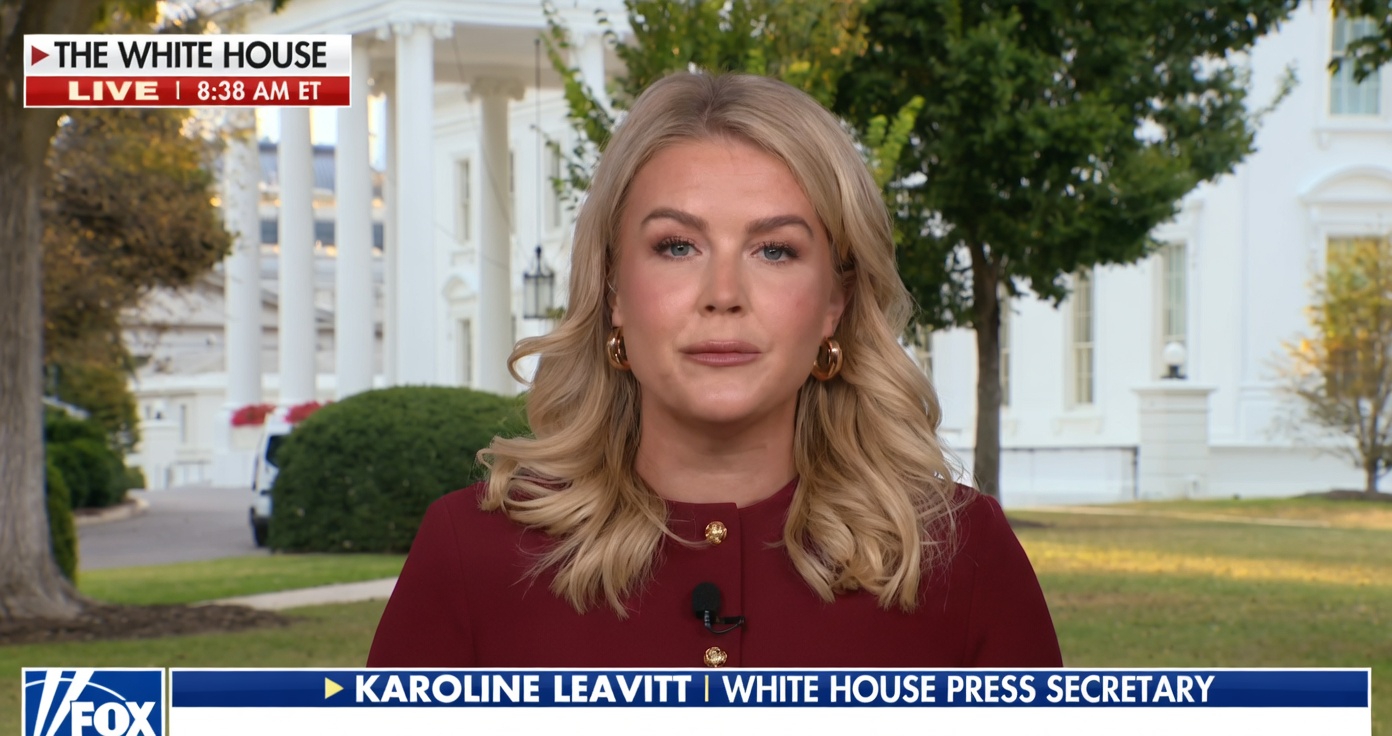
The White House and the administration of President Donald Trump have moved swiftly to debunk claims that Iran is planning a drone offensive against California. This controversy follows a report by ABC News, which suggested that the FBI had alerted local law enforcement about potential threats from unidentified vessels off the Pacific Coast. Press Secretary Karoline Leavitt criticized the news outlet, accusing them of intentionally omitting the term “unverified” from their reporting to incite public alarm. According to Leavitt, the entire narrative was based on a single, unsubstantiated intelligence tip, and she maintains that no credible threat from Iran to the United States homeland exists, asserting that the media’s framing was a deliberate attempt to mislead the American people. California Governor Gavin Newsom joined federal officials in refuting the alarming reports, assuring the public that dedicated state intelligence teams are actively working to safeguard the Golden State. While Newsom emphasized vigilance, he did not validate the specific claims of an imminent drone strike from offshore vessels. The friction between the media and the executive branch occurs against the backdrop of Operation Epic Fury, a major military campaign launched by the Trump administration against Iranian targets. While the White House defends its strategic communication, critics like conservative podcaster Matt Walsh have highlighted perceived inconsistencies in the administration’s justifications for the conflict, questioning whether the strikes are preemptive or retaliatory in nature. Karoline Leavitt has been vocal in defining the parameters of this engagement, outlining several key objectives for Operation Epic Fury. These include the total destruction of the Iranian regime’s missile infrastructure and the annihilation of its Navy. Furthermore, the administration aims to dismantle the network of terrorist proxies that have historically destabilized the Middle East. Leavitt noted that the opening salvos of the operation have already resulted in the elimination of 49 high-ranking Iranian officials, including Supreme Leader Ayatollah Ali Khamenei. This aggressive posture is framed as a necessary correction to decades of what the administration characterizes as “cowardice” by previous American leaders who failed to hold the regime accountable for its hostility toward Western Civilization.
A significant point of contention remains the status of Iran’s nuclear capabilities. While Leavitt mentioned that a previous mission, Operation Midnight Hammer, had “obliterated” major nuclear sites, she argued that the regime’s persistent refusal to negotiate and its commitment to rebuilding those programs necessitated further action. Critics like Walsh have pointed out the logical gap: if the facilities were already destroyed last year, citing their dismantlement as a current primary objective of Operation Epic Fury appears contradictory. Despite these internal debates over the consistency of the administration’s messaging, the White House remains firm in its stance that the ultimate goal is to ensure Iran never obtains a nuclear weapon and to permanently end the regime’s ability to threaten American forces with IEDs or roadside bombs. As Operation Epic Fury continues, the Trump administration is positioning the conflict as a definitive win for America over global terrorism. Leavitt concluded her public statements by emphasizing that the era of “death to America” chants would be met with overwhelming force, suggesting that President Trump is resolving a 47-year geopolitical struggle through direct military action. While the domestic debate over the origins and transparency of intelligence continues to simmer, the administration’s focus remains on the total neutralization of Iran’s military reach and the protection of United States national security interests both at home and abroad.