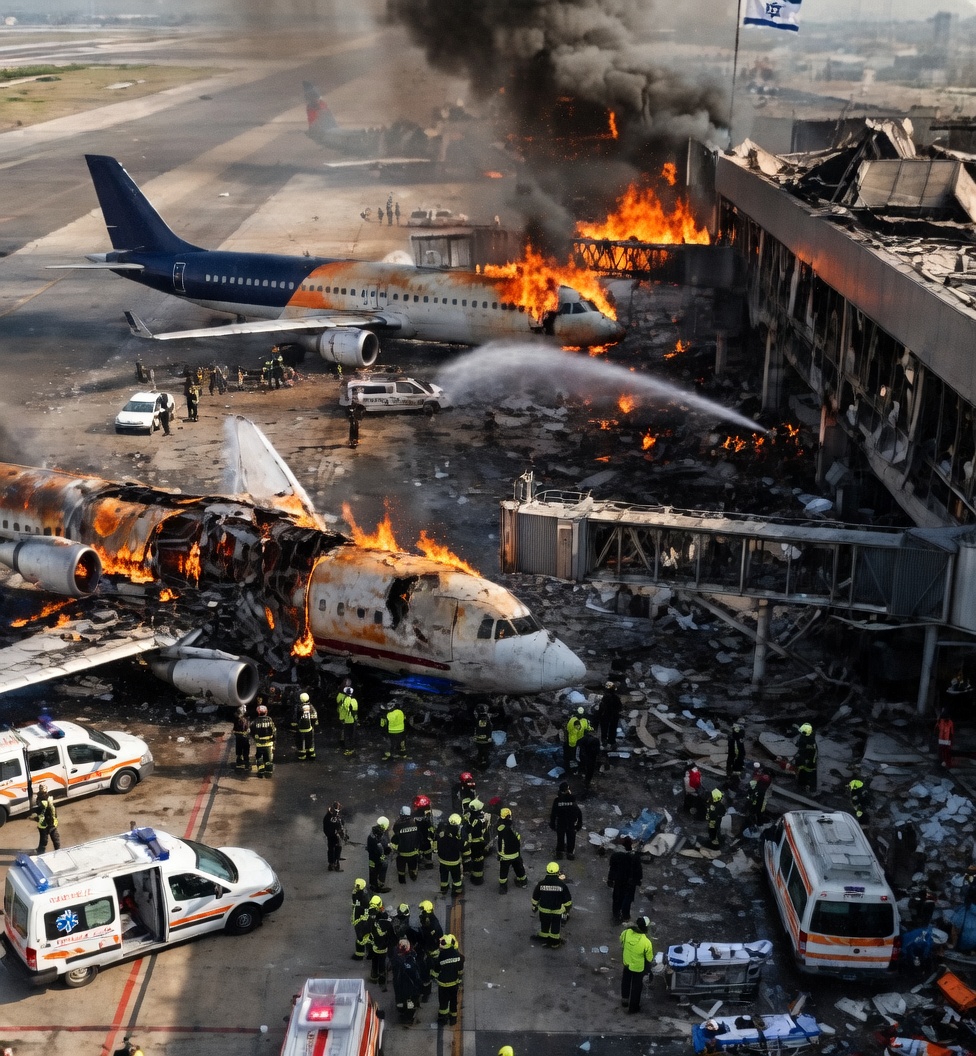
The conflict in the Middle East reached a critical tipping point as Iran launched ballistic missiles equipped with cluster warheads toward Tel Aviv. This strike, described by Tehran as retaliation for the assassination of a high-ranking Iranian security official, resulted in civilian casualties and significant infrastructure damage. The deployment of cluster munitions is particularly alarming to international observers, as these weapons disperse submunitions that pose long-term humanitarian risks long after the initial impact. This latest assault is part of a broader regional escalation that has intensified since early 2026. Iran has expanded its operations to target U.S. bases and allied facilities across Kuwait, Bahrain, the UAE, and Saudi Arabia. In response, Israel and the United States have conducted precision airstrikes against Iranian military and nuclear infrastructure. While advanced defense systems like the Iron Dome and Arrow-3 remain active, the sheer volume and technical complexity of cluster-armed missiles have strained Israel’s defensive capabilities.
The geopolitical ramifications of this conflict are already profound, with energy markets surging and global supply chains under threat. Despite mounting international pressure for a ceasefire, both Iran and Israel appear committed to continued military engagement. This cycle of violence leaves the region in a state of unprecedented uncertainty, as diplomatic channels struggle to provide a viable path toward de-escalation.