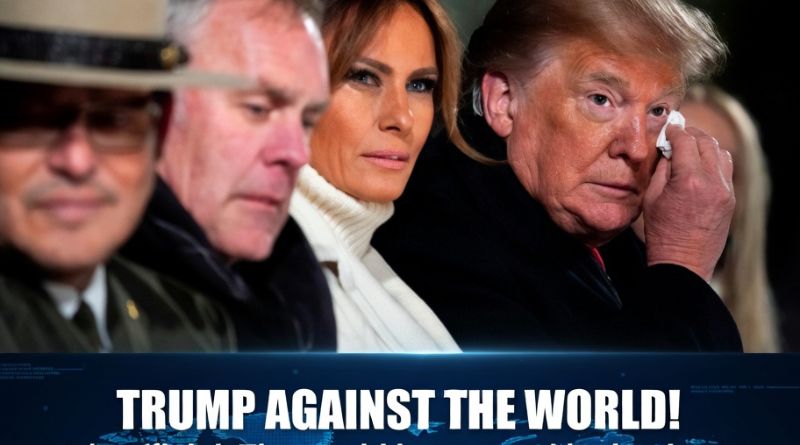
Recent diplomatic tensions have raised new questions about how much international support remains behind Donald Trump as global disagreements over conflict strategy continue to grow. What began as a regional dispute has increasingly developed into a broader diplomatic challenge, with several governments openly calling for restraint rather than escalation. One of the most closely watched developments has come from Qatar, long considered an important strategic partner of Washington in the Gulf region. Qatari officials have publicly urged all sides to reduce tensions and pursue diplomatic solutions, signaling concern about further instability in a region already under significant pressure. While Doha has not severed ties with Washington, its emphasis on de-escalation reflects a cautious distance from more confrontational approaches. Across Latin America, several governments have also taken positions that contrast sharply with Washington’s recent rhetoric. Leaders in Mexico, Brazil, and Colombia have supported immediate ceasefire proposals and renewed diplomatic dialogue. Their statements have been interpreted by some observers as a broader regional push for negotiated solutions rather than military pressure. European capitals have also shown hesitation toward deeper involvement in emerging security tensions, particularly concerning navigation and military operations near the Strait of Hormuz. Several traditional allies have reportedly declined requests for expanded participation, preferring to avoid steps that could widen conflict. Although European governments remain committed to transatlantic cooperation, their caution highlights growing differences over how to manage rapidly evolving threats.
These developments have fueled debate over whether Trump’s international influence is weakening or simply facing the normal resistance that often accompanies major foreign policy disputes. Supporters argue that strong pressure can eventually produce negotiations, while critics believe repeated confrontational messaging risks pushing allies toward more independent positions. Despite claims of diplomatic isolation, the United States remains deeply connected through military alliances, trade systems, and longstanding security partnerships. Even when disagreements emerge publicly, diplomatic channels often continue working behind closed doors. The larger question now is whether Trump can rebuild momentum among allies and persuade them that his strategy offers stability rather than risk. International politics often shifts quickly, and moments of tension do not always translate into permanent fractures. For now, the global message appears clear: many countries are urging caution, diplomacy, and restraint as uncertainty continues to shape the international stage 🌍🏛️✨