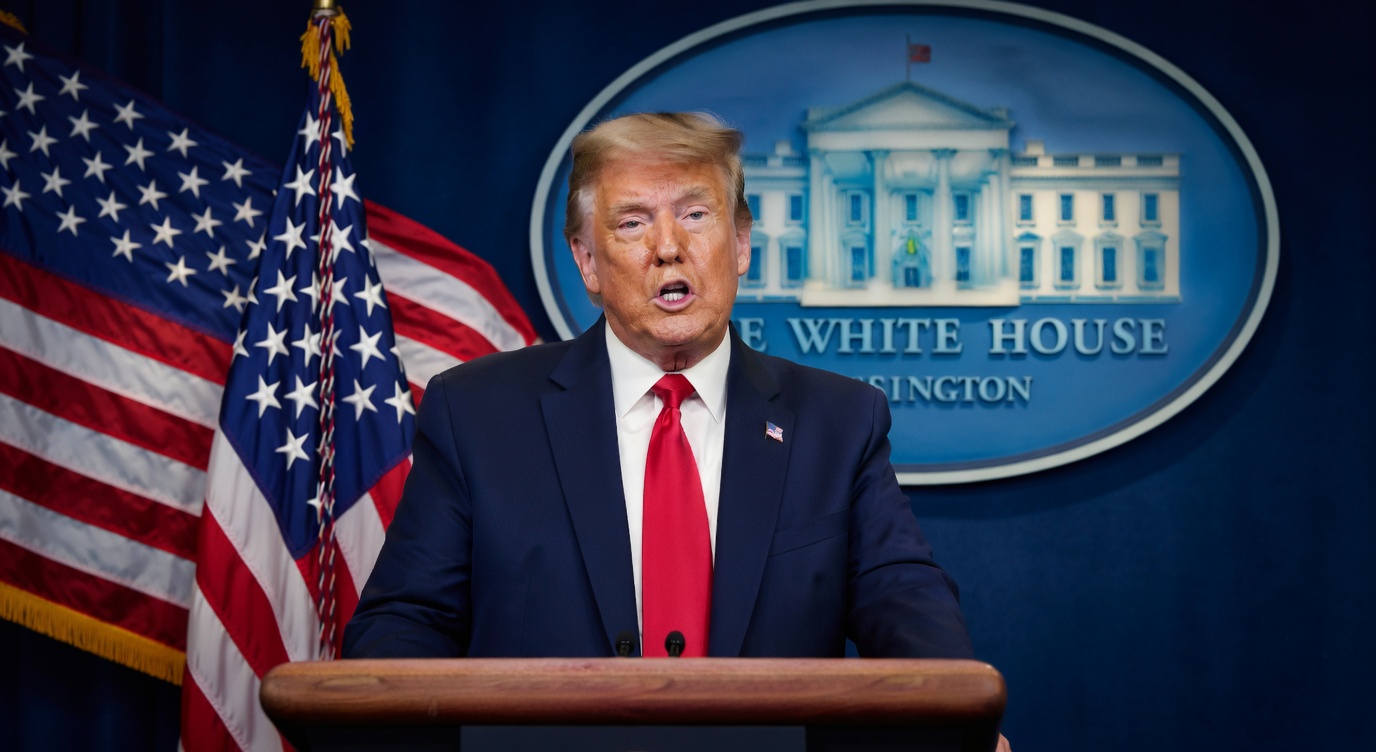
On March 9, 2026, the White House released a detailed medical memorandum concerning the health of President Trump, who is currently 79 years old. The report, authored by physician Dr. Sean Barbabella, revealed a diagnosis of Chronic Venous Insufficiency (CVI). While the news initially sparked concern, the medical team emphasized that the President remains in overall excellent health, showing no signs of heart disease, deep vein thrombosis, or arterial complications. This update follows a period of public speculation regarding the President’s physical stamina and visible leg swelling.
Chronic Venous Insufficiency is a common condition, particularly among older adults, characterized by the weakening of vein valves in the lower extremities. As Dr. Niten Singh, a vascular surgeon, explained, these valves are responsible for preventing blood from pooling due to gravity. When they fail to function optimally, it can lead to symptoms such as swelling in the ankles and calves, skin discoloration, and a feeling of heaviness in the legs. According to the Cleveland Clinic, up to 40% of Americans manage this condition, suggesting that the diagnosis is well within the norm for a man of the President’s age.
The memorandum and subsequent briefings by Press Secretary Karoline Leavitt addressed specific physical observations, such as bruising on the President’s hands. Leavitt clarified that this is a result of a daily aspirin regimen for heart health combined with the physical nature of frequent handshakes on the campaign trail and during official duties. The administration has gone to great lengths to portray President Trump as a high-energy leader who continues to work 60 to 70 hours a week, often standing for long periods during rallies and international summits without reporting discomfort.
Management of CVI typically involves non-invasive lifestyle adjustments rather than surgical intervention. The medical team recommended compression stockings, regular walking to stimulate circulation, and elevating the legs during periods of rest. These routine measures are intended to maintain the President’s active schedule. The White House reiterated that his previous physical exam in April 2025 showed normal blood flow and that the current diagnosis does not indicate any decline in cognitive or cardiovascular function, which are critical metrics for his role in Washington D.C.
Public reaction to the disclosure has been largely positive, particularly among supporters who have praised the administration’s transparency compared to previous presidencies. Social media discourse highlighted the President’s rigorous schedule and perceived resilience. While some political analysts mentioned the role of Vice President JD Vance as a standard precaution for any aging leader, the prevailing sentiment focused on the manageable nature of CVI. By providing straightforward medical facts via the Society for Vascular Surgery guidelines, the administration aims to quell rumors and maintain public trust in the President’s ability to serve his full term.