Rising Middle East Tensions Draw Global Attention After Reported Strikes Inside Iran
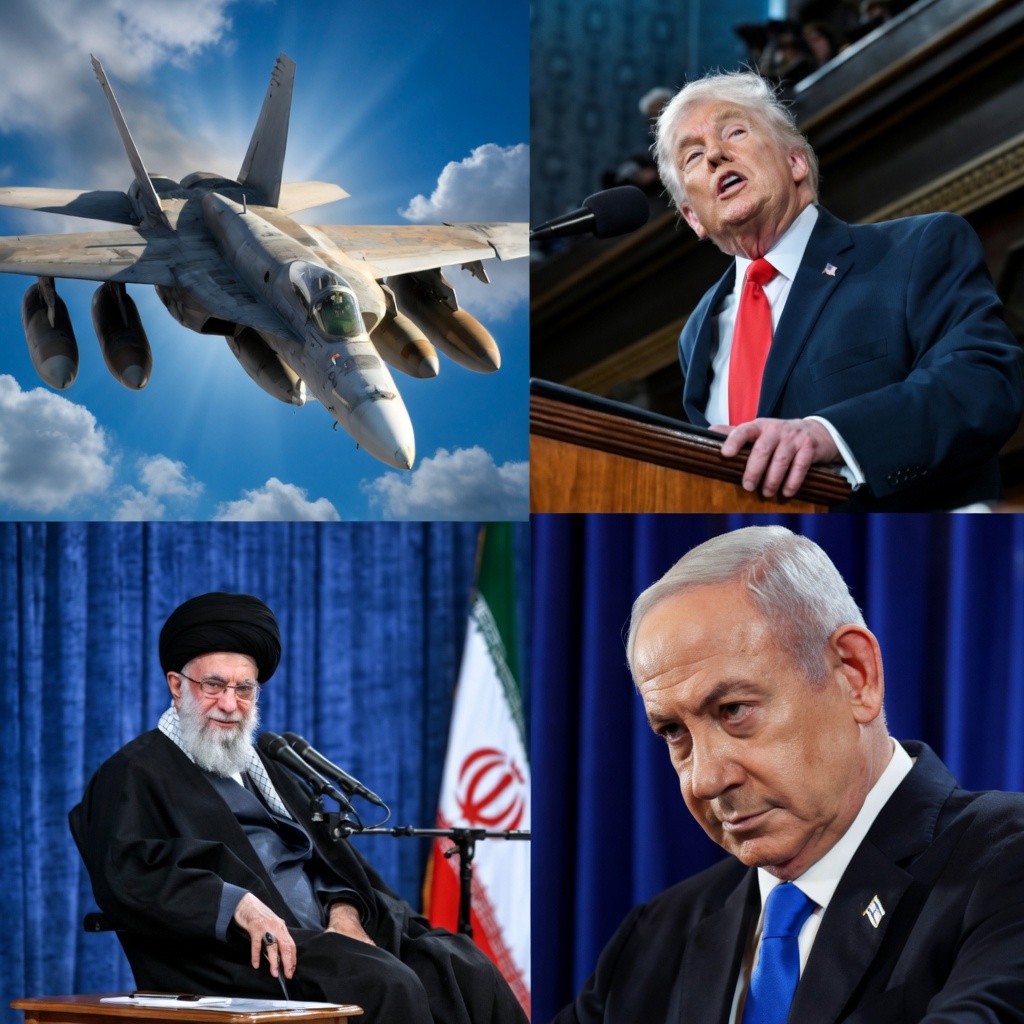
Recent developments in the Middle East have once again placed the region at the center of international concern after reports emerged that coordinated military actions involving United States and Israel targeted locations inside Iran. The reported operation has intensified global debate over regional security, diplomacy, and the risk of wider confrontation in one of the world’s most strategically sensitive areas.
Although official details remain limited, the events are already being viewed as a major development in a geopolitical environment that has remained fragile for years. Governments, international observers, and security analysts are closely monitoring responses from all sides as concerns grow over whether the situation could trigger further military or diplomatic consequences.
Officials connected to the reported actions have framed them within the context of national security and strategic defense. At the same time, many world leaders and international organizations are urging restraint, warning that additional escalation could have consequences far beyond the immediate region.
Longstanding Regional Tensions Behind the Current Crisis
The latest developments did not emerge in isolation. Tensions involving Iran, Israel, and the United States have developed over decades through a combination of political rivalry, military competition, and deep disagreements over nuclear policy and regional influence.
Iran’s nuclear program has remained one of the central issues shaping relations among the three countries. International negotiations have periodically attempted to create limits and verification systems designed to reduce concerns over nuclear development, but those efforts have often been complicated by mistrust, changing political leadership, and differing strategic goals.
Israel has consistently argued that Iranian military capabilities and regional alliances pose a direct security concern. The United States, while varying in approach under different administrations, has also maintained pressure on Tehran through sanctions, diplomatic negotiations, and military positioning.
In recent months, regional conditions have become increasingly tense. Analysts have pointed to heightened military readiness, sharper political messaging, and growing concerns over missile capabilities as signs that the balance in the region was becoming more fragile.
Reports of Coordinated Operations
According to multiple reports, several locations inside Iran were targeted during a coordinated operation believed to involve both Israeli and American strategic planning. Israeli officials indicated that the purpose of the operation was linked to addressing what they described as security threats.
American authorities have not publicly released full operational details, but officials have stated that decisions were based on strategic assessments developed through intelligence and defense planning.
Some reports suggest the operation may have involved broader planning than earlier regional actions, though independent confirmation remains limited. Because information often changes rapidly during major international incidents, analysts caution against drawing final conclusions until official investigations and verified reports are available.
Military experts note that in situations like this, early accounts frequently differ depending on sources, and operational details may remain classified for security reasons.
Increased Military Presence Before the Operation
The reported action followed weeks of increased military activity in the region by the United States. Naval forces, aircraft deployments, and additional defense systems had already been positioned across parts of the Middle East.
Such deployments are often intended to improve readiness, protect strategic assets, and provide military flexibility in case of rapid developments. However, they also send powerful political signals and can influence calculations made by regional actors.
The presence of advanced defense systems and naval assets often reflects not only preparedness for immediate threats but also broader deterrence strategies.
Security observers noted that these preparations took place alongside diplomatic efforts, suggesting that military and diplomatic tracks were unfolding simultaneously.
Diplomatic Efforts Continue Despite Rising Pressure
Even as military readiness increased, diplomatic contacts reportedly continued through indirect channels. Discussions involving nuclear policy, missile development, and regional security remained active through intermediaries.
Diplomacy in this context has often proven difficult because the issues involved are highly complex and tied to long-standing strategic concerns. Negotiations frequently face obstacles linked to trust, timing, and differing political priorities.
The latest developments highlight the challenge of maintaining diplomatic momentum while military pressure rises.
International diplomats continue to stress that communication remains essential, especially when tensions are high. Even limited dialogue can help prevent misunderstandings that might otherwise lead to larger confrontations.
International Calls for Restraint
Countries across Europe, the Middle East, and Asia have responded cautiously, with many calling for restraint and emphasizing the importance of preventing further escalation.
Several governments have stressed that regional stability is closely linked to global economic conditions. The Middle East remains critical to energy supply chains, shipping routes, and broader financial confidence.
International organizations have also reiterated support for peaceful dispute resolution and adherence to international legal frameworks. Diplomatic language from many capitals has focused on de-escalation, dialogue, and avoiding retaliatory cycles.
Energy markets often react quickly to uncertainty in the region, meaning even limited military developments can have wider economic consequences.
Debate Inside the United States
Inside the United States, the reported military action has prompted renewed debate among lawmakers regarding executive authority and congressional oversight.
Some members of Congress have publicly questioned how decisions of this scale are authorized and what level of consultation took place before action was taken.
Thomas Massie was among those who raised concerns publicly, emphasizing the importance of constitutional procedures when military force is considered.
Such debates are common when major foreign policy decisions involve military operations. They reflect broader questions about transparency, accountability, and the balance of powers within democratic institutions.
Political analysts note that discussions in Washington may continue as more information becomes available.
Global Security Implications
Developments involving Iran, Israel, and the United States carry significance far beyond the immediate region.
The Middle East remains deeply connected to global energy systems, and uncertainty can quickly affect oil prices, shipping insurance costs, and investor confidence.
Security experts are watching several major questions closely:
- Whether additional regional actors could become involved
- How global alliances may respond
- Whether military deterrence will hold
- How economic markets interpret prolonged instability
Major powers including China and Russia are also monitoring developments carefully, given their strategic interests in regional outcomes.
The Importance of Reliable Information
During fast-moving geopolitical events, information often develops unevenly. Reports from official governments, military sources, international observers, and media organizations may differ in emphasis or timing.
For that reason, analysts stress the importance of relying on credible reporting and avoiding conclusions based on unverified claims.
Balanced reporting remains especially important when public reactions can influence political pressure and international interpretation.
The speed of modern information sharing means narratives can shift quickly as new evidence emerges.
Focus on De-escalation
Many international observers argue that the most important next step is preventing a cycle of retaliation.
Historical examples across the region show that even serious confrontations can sometimes be contained when diplomatic channels remain open.
De-escalation may involve reduced military signaling, renewed diplomatic engagement, and confidence-building measures designed to lower immediate risks.
Although the path forward remains uncertain, many governments continue to emphasize that diplomacy remains the most effective long-term tool for preventing wider conflict.
What Comes Next
The coming days will likely be shaped by several critical developments:
- Official statements from Tehran, Washington, and Jerusalem
- Diplomatic activity through international intermediaries
- Military posture changes across the region
- Global market responses
Each of these factors will help determine whether the current moment leads toward greater confrontation or renewed negotiation.
Conclusion
The reported coordinated actions involving the United States and Israel inside Iran represent an important moment in international affairs, one with implications extending well beyond the immediate military dimension.
While security concerns remain central to official explanations, the broader consequences touch diplomacy, economics, and global stability.
As events continue to unfold, the international community is focused on whether restraint and dialogue can prevent a deeper crisis. 🌍⚖️🕊️