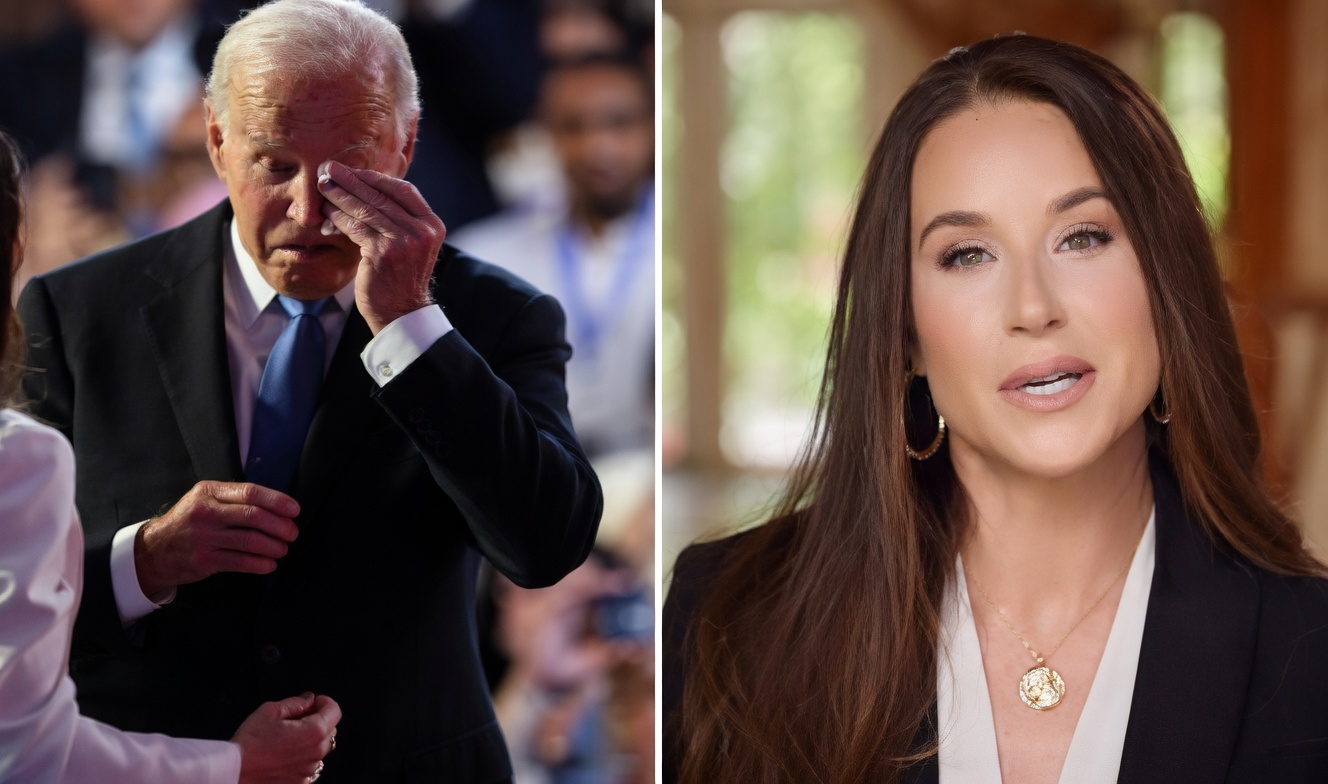
In the sanitized arena of high-stakes politics, where talking points usually serve to obscure uncomfortable truths, Representative Ilhan Omar’s recent commentary has pierced the noise with a jarring, almost surgical clarity. By stating flatly that she believes Tara Reade’s sexual assault allegations against Joe Biden while simultaneously affirming her intent to vote for him, Omar has forced a public collision between unwavering moral principle and the cold machinery of political strategy. For years, the slogan “Believe Women” has functioned as a cornerstone of progressive identity—a declarative, absolute mandate. Yet, in Omar’s framing, that absolute feels suddenly, visibly fragile when weighed against the perceived existential urgency of defeating Donald Trump. Her admission does not offer the comfort of resolution; instead, it drags into the light a tension that millions of voters privately navigate but rarely have the temerity to voice: the grueling process of choosing between imperfect options in a system that rarely provides a clean outcome.
Beyond Absolution
By validating Reade’s account while maintaining her support for Biden, Omar notably refused to offer the candidate absolution. She did not utilize the common political tactic of dismissing the allegation as “debunked” or “politically motivated.” Instead, she did something much more complex: she acknowledged the reality of the harm while making a pragmatic electoral calculation.
Her stance serves as a stark reminder that the act of voting, for many, has moved far beyond a search for moral purity. In this context, the ballot box is reframed as a tool of risk management—a blunt instrument used to navigate a world shaped by deeply personal and unresolved wounds.
A Democracy Built on Competing Fears
This moment serves as a window into the current state of American democracy, revealing a landscape built on competing fears. It suggests a reality where justice, accountability, and political survival do not always align, forcing the individual to weigh which specific danger feels more catastrophic.
Omar’s honesty makes the “cost of doing business” in modern politics painfully visible. It is a reminder that political victories are often built upon a foundation of unresolved pain, and that acknowledging this reality is an exercise in profound discomfort.
The Point of Discomfort
Ultimately, that discomfort may be the most vital part of the conversation. Omar’s words remind a fractured public that democracy often demands choices that leave no participant fully satisfied. In her world, the vote is not necessarily a stamp of approval, but a somber acknowledgment of what must be lost or compromised along the way to a greater objective.
As the campaign progresses, Omar’s refusal to look away from the contradiction remains a challenge to the standard political narrative—a demand that voters recognize the weight of the choices they make, even when those choices offer no peace of mind.