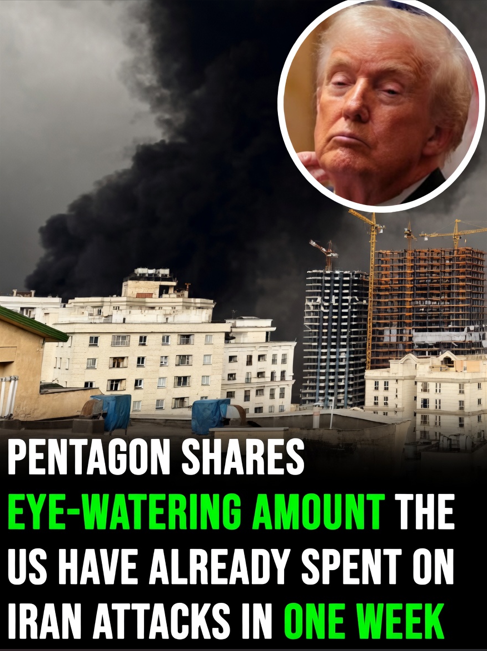
The military campaign involving Iran has already carried a staggering financial cost, with estimates suggesting about $6 billion has been spent in just one week. Of that total, nearly $4 billion has gone toward advanced weapons systems and missile interceptors that are consumed the moment they are deployed.
Many of these interceptors cost millions of dollars each, and when they are used in large numbers during active operations, expenses mount rapidly. Analysts estimate that direct operational costs alone are approaching $890 million per day—much of which was never anticipated in the original federal budget.
As the conflict continues, officials in Washington are scrambling to adjust spending plans and submit new funding requests. The financial pressure comes at a time when Americans are already coping with rising gas prices and persistent inflation. Critics caution that the full economic impact may not be clear until long after the fighting ends, similar to the Iraq war, which ultimately cost nearly $3 trillion. For many households, the financial effects of the conflict are beginning to show up in everyday expenses and monthly bills.


