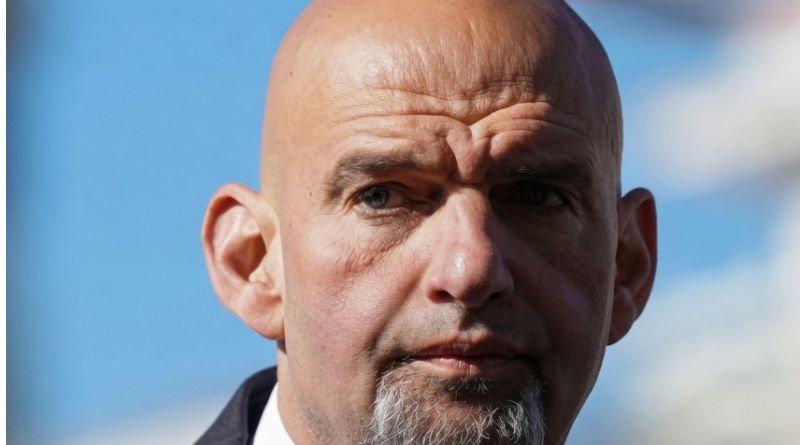
(Washington, DC) – U.S. Senator John Fetterman is reportedly weighing a potential switch from the Democratic Party to the Republican Party, a move that—if confirmed—would send shockwaves through Washington and reshape the political landscape.
While no official announcement has been made, recent speculation has intensified as Fetterman continues to break ranks with Democratic leadership on key issues. The Pennsylvania Democrat has repeatedly voiced support for stronger border security, backed certain Trump administration nominees, and aligned with Republicans to help avert government shutdowns. His staunch pro-Israel stance and willingness to criticize progressive priorities have further distanced him from the party’s left wing, earning him praise from some conservatives and growing frustration from traditional Democrats.
Fetterman, who flipped a Republican-held Senate seat in 2022, has cultivated a maverick image. Polling shows his approval ratings rising among Republicans while declining among Democrats, creating a rare cross-aisle appeal in a polarized environment. He has described himself as representing Pennsylvania, one of the nation’s most competitive “purple” states, and often prioritizes pragmatic solutions over strict party loyalty.
If Fetterman were to change parties, the implications could be profound for the narrowly divided Senate. It would immediately alter the balance of power, potentially giving Republicans a stronger edge on votes and committee control. Beyond the numbers, such a defection would symbolize a deeper political realignment underway in American politics. Ideological boundaries within both major parties are shifting, with moderate or independent-minded lawmakers increasingly questioning traditional affiliations.
Analysts note that Fetterman’s independent streak reflects broader voter dissatisfaction with partisan gridlock. However, he has repeatedly pushed back against switch rumors in past interviews, insisting he remains a Democrat at heart despite policy disagreements. Whether these latest reports gain traction or fade remains to be seen, but they underscore the fluid nature of today’s political loyalties.
The possibility highlights ongoing tensions as both parties grapple with evolving voter bases and internal divisions. A formal move by Fetterman could encourage similar reevaluations among other senators, accelerating a trend toward more personalized, less tribal politics in Washington.