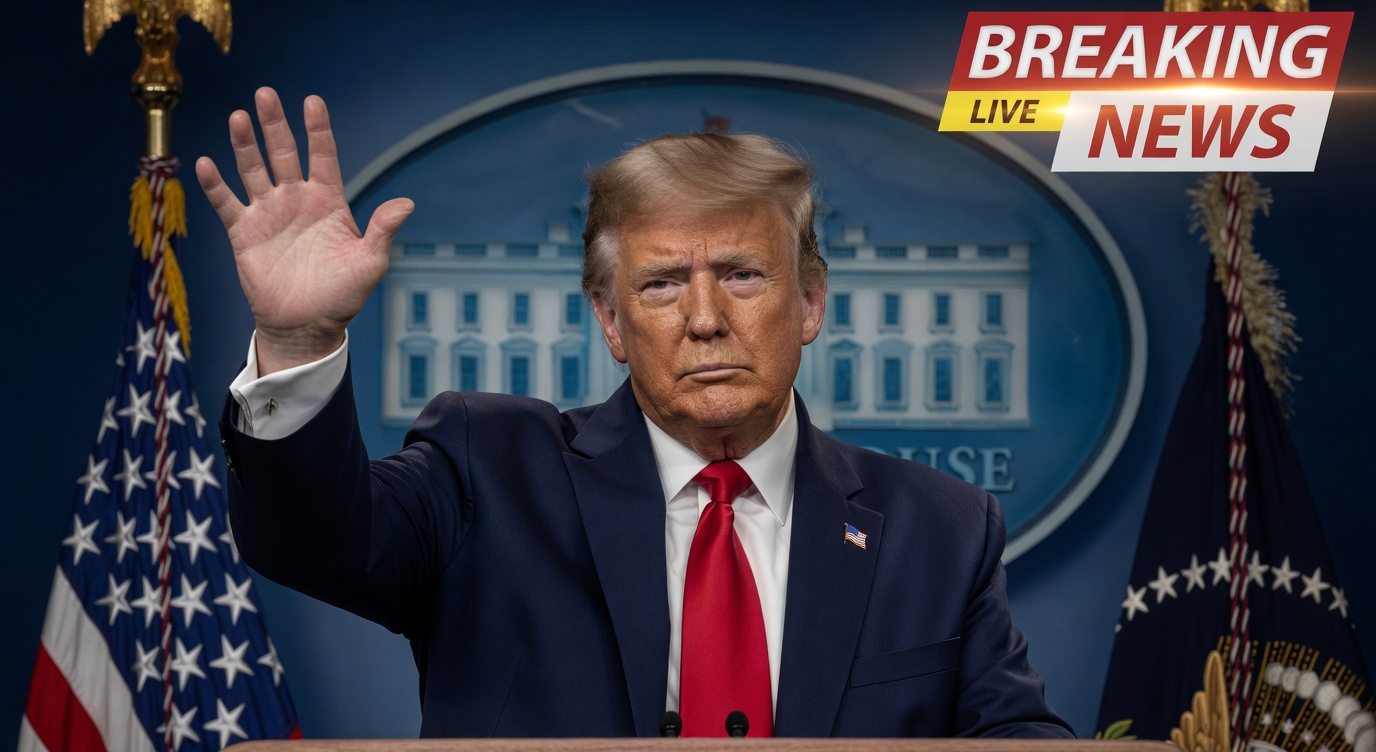
Washington didn’t see this coming. One executive order, one signature from President Donald Trump, and the nation’s capital shifted dramatically under federal control. In August 2025, Trump declared a crime emergency in Washington, D.C., federalized the Metropolitan Police Department under the Home Rule Act, and deployed National Guard troops along with federal agents. Sirens wailed, boots hit the pavement, unmarked cars patrolled, and an uneasy quiet settled over neighborhoods that had grown accustomed to disorder.
Crime statistics began to drop noticeably in the following months. Official data from the Metropolitan Police Department showed violent crime falling sharply—homicides down significantly year-over-year, carjackings plunging, and overall incidents trending toward multi-decade lows by early 2026. Some residents described it as the first time in years they felt comfortable walking home after dark without scanning every shadow or gripping their keys like a makeshift weapon. Group chats that once circulated surveillance videos and police alerts turned to lighter topics. Armored vehicles and joint task forces from agencies including ICE, the FBI, and the DEA became visible symbols that the federal government had finally prioritized the city’s long-standing safety concerns.
For many longtime Washingtonians, especially in areas plagued by open-air drug markets, car thefts, and random violence, the surge represented overdue accountability. Trump framed the operation as “Liberation Day” for D.C., vowing to restore the capital to a “safe and beautiful” state worthy of its role as the seat of American democracy. Supporters pointed to the rapid arrests—thousands reported in the early phases of the task force—and the recovery of illegal firearms as proof that decisive federal intervention could succeed where local policies had faltered. The presence of out-of-state National Guard units and federal enforcement teams signaled a no-nonsense approach that contrasted with years of debates, pilot programs, and incremental reforms.
Yet the changes carried a heavier cost for others. ICE vans became a regular sight near schools, bus stops, and corner stores as immigration enforcement intertwined with the broader crime crackdown. Families in immigrant communities grew wary of answering doors or letting children play outside unsupervised. Parents began rehearsing responses in case agents approached, while some residents quietly memorized license plates of unmarked vehicles and mapped alternative routes home. Local officers occasionally expressed confusion over command structures during joint operations, with questions lingering about who held ultimate authority on routine calls.
Critics, including D.C. Mayor Muriel Bowser and civil liberties groups, argued the federal takeover tested the boundaries of democracy. They questioned whether invoking emergency powers to assert control over local policing—initially for 48 hours and then extended—set a precedent that could erode home rule and civil liberties in the nation’s capital. Lawsuits challenged the moves as overreach, and some community leaders warned that security achieved through visible displays of force risked breeding distrust and fear rather than genuine safety. The operation blurred lines between crime suppression and immigration sweeps, raising concerns about collateral impacts on law-abiding residents.
By early 2026, the “D.C. Safe and Beautiful Task Force” continued its work, with congressional efforts to extend its mandate. Crime metrics continued their downward trajectory, even as national debates persisted over whether the declines stemmed directly from the federal surge or reflected broader trends seen in other cities. Proponents credited the visible federal commitment with deterring would-be offenders and restoring public confidence. Detractors maintained that true safety cannot rest on an atmosphere of tension, where armored patrols and sudden enforcement actions become normalized.
Washington, D.C., now stands as both a case study in aggressive law-and-order policy and a cautionary tale about balancing security with democratic norms. Residents on the same blocks experience the transformation differently: relief for some, apprehension for others. The streets feel different—quieter in terms of reported crime, yet charged with an undercurrent of uncertainty. As the capital of American democracy confronts these shifts, the deeper question lingers: Can “law and order” delivered through sweeping federal intervention deliver lasting safety without exacting a toll on trust, community cohesion, and the principles of self-governance?
The city’s experiment continues to unfold, watched closely by the rest of the nation. What began as a targeted crackdown has evolved into a broader stress test, forcing Americans to weigh the tangible benefits of reduced crime against the intangible costs of heightened federal presence in their daily lives. Whether this model proves sustainable or merely a temporary reset remains an open chapter in D.C.’s story.