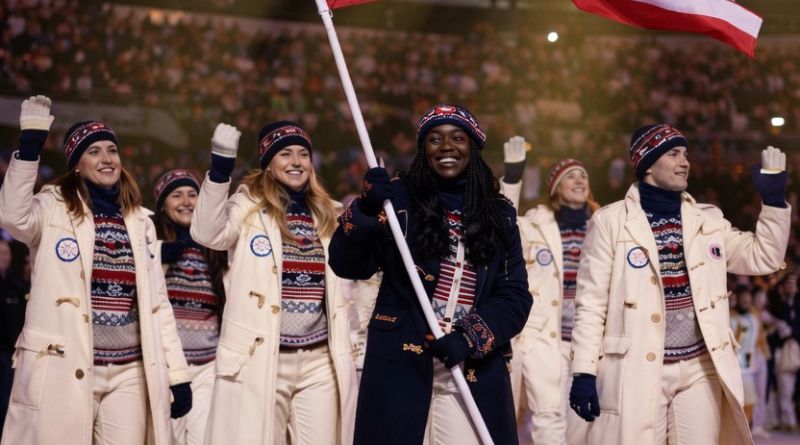
The 2026 Winter Olympics officially opened on February 6 in Milan with a vibrant opening ceremony at the historic San Siro Stadium, officially known as the Milano Cortina 2026 Games. The event, titled “Armonia” (Harmony), united athletes and spectators from around the globe in a celebration of sport, culture, and shared humanity. Musical performances by international stars including Mariah Carey, Laura Pausini, Andrea Bocelli, and others, alongside cultural showcases highlighting Italian creativity—from inventions and cuisine to fashion and architecture—filled the stadium with energy and color. Satellite events in Cortina d’Ampezzo, Livigno, and Predazzo extended the festivities, culminating in the historic lighting of two Olympic cauldrons: one at Milan’s Arco della Pace and another in Cortina’s Piazza Dibona.
Yet, the days leading up to the ceremony were marked by public discussions and demonstrations tied to international political issues, injecting tension into an occasion typically reserved for unity. Organizers stressed that the event should focus on athletic excellence and mutual respect among nations, urging participants to set aside broader conflicts.
As delegations paraded into the stadium, particular attention fell on Team USA. With representatives from the U.S. government attending in place of the president—including Vice President JD Vance—the moment drew mixed reactions from the crowd when officials appeared on the giant screens. While many spectators applauded the athletes, others expressed criticism linked to ongoing political debates back home. Social media erupted with divided opinions, sparking widespread discussion about whether major sporting events should remain insulated from geopolitical disagreements.
Protests in parts of Milan also gained notice, with demonstrators voicing concerns over international policies, including issues related to U.S. immigration enforcement and environmental impacts of the Games. Some athletes took to personal platforms to share views on matters affecting their countries, reigniting debates about the balance between individual expression and the Olympic ideal of political neutrality. Officials from the International Olympic Committee reiterated guidelines encouraging athletes to keep competition zones free of political statements while allowing voices to be heard in suitable contexts.
Despite the surrounding controversies, the ceremony ultimately succeeded in marking the start of the global competition. Athletes have invested years of rigorous training to represent their nations, embodying dedication, resilience, and the pursuit of personal bests. For countless participants and fans, the Olympics endure as a powerful platform for talent, perseverance, and cultural exchange that transcends political divides.
As competitions unfold across venues in the coming weeks, organizers hope the spotlight will shift firmly toward inspiring athletic stories, displays of sportsmanship, and moments of collective pride. The Games continue to remind the world why this quadrennial gathering retains its magic: it brings people together through the universal language of sport, even amid complex global challenges. In an era of division, the enduring appeal of the Olympics lies in its ability to foster fleeting harmony on the world stage.