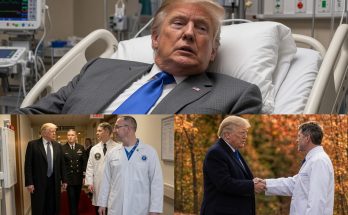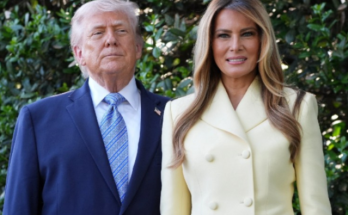
A new health update on President Donald Trump has sparked public interest following an announcement from White House Press Secretary Karoline Leavitt.
According to a memo from the White House physician, Trump has been diagnosed with chronic venous insufficiency (CVI), a common circulatory condition that affects blood flow in the veins of the legs. It occurs when the small valves inside the veins weaken over time, making it harder for blood to return to the heart. This can lead to blood pooling, resulting in swelling, discomfort, or visible changes around the ankles.
The diagnosis came after Trump reported mild swelling in his lower legs. Out of an abundance of caution, he underwent a comprehensive medical evaluation, including bilateral lower extremity venous Doppler ultrasounds. These tests confirmed chronic venous insufficiency but explicitly ruled out more serious issues, such as deep vein thrombosis or arterial disease. Officials stressed that the condition is benign and manageable, with no impact on heart function. The White House physician noted that Trump remains in excellent overall health.
Leavitt described CVI as a frequent occurrence, especially among individuals over the age of 70—Trump is currently 79. The announcement also addressed related observations, including occasional bruising on his hands, which was attributed to frequent handshaking combined with his daily aspirin regimen.
The update helps explain recent footage and images from public events where Trump appeared to move more deliberately or showed signs of leg swelling. These visuals had previously fueled online speculation about his health, prompting the proactive medical review.
Public reaction was swift and divided. Supporters quickly shared messages of concern and encouragement on social media, wishing him a speedy and full recovery. Critics, meanwhile, questioned how the condition might affect his demanding schedule of travel, appearances, and official duties.
Despite the diagnosis, Trump has continued his active public schedule without interruption. The condition requires ongoing monitoring and standard management techniques—such as compression, elevation, or lifestyle adjustments—but it is not expected to limit his responsibilities significantly.
In summary, the message from the White House remains reassuring: the issue is being handled appropriately, with no evidence of any underlying serious problem. Attention now turns to how President Trump balances his health management with the rigors of the presidency in the coming weeks and months.