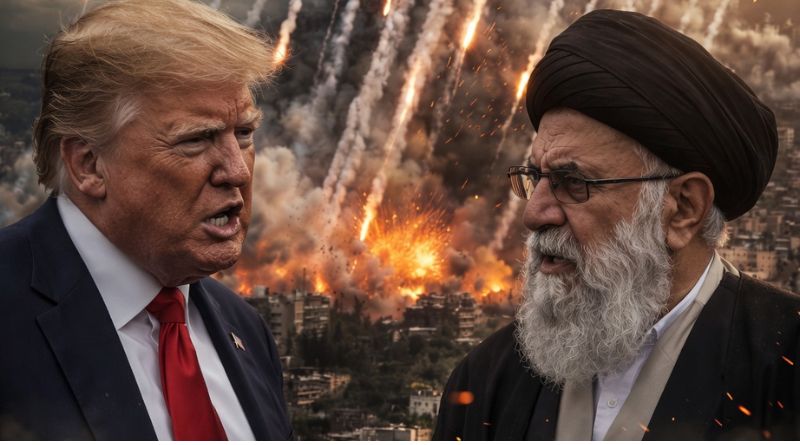
Witnesses recounted hearing a series of deafening blasts in rapid succession as the barrage of rockets slammed into buildings and nearby infrastructure. The impacts triggered immediate chaos, with fires erupting across several blocks and sending thick plumes of smoke billowing into the sky. Panicked residents fled their homes in haste, clutching what belongings they could, while emergency responders raced toward the scene, determined to pull survivors from beneath the twisted rubble.
Local authorities have confirmed multiple fatalities in the attack, with dozens more reported injured. Hospitals across the region are operating at capacity, as medical staff work around the clock to treat victims suffering from severe blast injuries, burns, shrapnel wounds, and trauma caused by collapsing structures. Triage areas have been overwhelmed, with priority given to the most critically wounded amid a steady influx of ambulances.
Firefighters and specialized search-and-rescue teams continue to methodically sift through the debris of devastated structures. While the full scale of the destruction is still under assessment, initial evaluations reveal extensive damage to multiple residential buildings, apartment complexes, and key public facilities. Roads in the affected zones are littered with shattered glass, fallen masonry, and smoldering wreckage, complicating access for heavy equipment.
Survivors described scenes of sheer terror and disorientation as the rockets struck without warning. Many spoke of the attacks unfolding with frightening speed, offering little opportunity to reach safety. “Everything happened so fast,” one witness recalled, her voice still trembling. “We heard the eerie whistling sound overhead, and then came the explosions. People were running in every direction, screaming for their families.”
According to residents, the high-pitched whine of incoming projectiles was quickly followed by thunderous detonations that rattled windows, shook foundations, and filled the air with dust and acrid smoke. Families scrambled to gather children and elderly relatives, while others darted into stairwells or alleyways seeking any form of cover. Sirens wailed continuously in the background, blending with cries for help and the distant roar of secondary fires.
The atmosphere in the streets turned to one of overwhelming panic. Crowds surged through narrow passages and open areas, desperate to escape the danger zone. Some sought refuge in reinforced basements or underground shelters, huddling together as the ground trembled. Others, trapped in upper-floor apartments or damaged homes, faced agonizing decisions about whether to stay put or risk venturing outside. In the immediate aftermath, confusion reigned as people frantically tried to reach loved ones by phone, only to encounter jammed networks and rising anxiety.
Authorities have strongly urged civilians to remain inside secure shelters or designated safe rooms for the time being. Officials stress that adhering to these guidelines can dramatically lower the risk of further casualties if additional strikes occur. Public warnings have been broadcast repeatedly via radio, television, social media, and loudspeakers, cautioning residents against approaching impact craters or compromised buildings due to dangers such as unstable structures, unexploded ordnance, or sudden gas leaks.
Emergency management teams are coordinating closely with police, firefighters, and medical units to deliver rapid aid. Despite challenges—including blocked roads and ongoing safety concerns—rescue workers are pushing forward, using dogs, thermal imaging, and heavy lifting gear to locate anyone still trapped. Hospitals in adjacent districts have been placed on maximum alert, ready to accept transfers as more victims are recovered.
International observers and humanitarian organizations are monitoring developments with deep concern for civilian safety. Several global groups have appealed for restraint by all parties, underscoring the need to safeguard non-combatants and essential infrastructure. Aid agencies are preparing contingency plans for delivering emergency medical supplies, temporary housing, food rations, and mental health support to those traumatized by the violence.
Community solidarity has begun to emerge amid the hardship. Local volunteers and neighborhood leaders are distributing water, blankets, and basic necessities to displaced families. In some areas, residents have opened their homes to neighbors, offering shelter and comfort. Crisis counselors, including specialists focused on children and the elderly, are expected to be deployed soon to help process the shock and fear.
The situation remains highly fluid. Officials warn that casualty figures could climb as search teams reach more isolated or heavily damaged sites. Early reports in such incidents are often incomplete, and authorities emphasize the importance of verified information before drawing final conclusions. Rescue and recovery efforts remain the top priority, even as investigators begin examining strike sites to piece together the sequence of events.
As night falls and assessments continue, both local residents and the broader international community watch anxiously, hoping for a swift de-escalation and comprehensive support for those affected. Authorities have pledged to provide regular updates as reliable details emerge, while repeatedly calling on the public to stay calm, heed official instructions, and place safety first in this tense and evolving crisis.