Viral Claims of Trump Being ‘Shot Again’ in Washington, D.C., Proven False Amid Social Media Panic
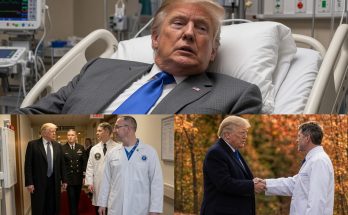
Shock and alarm rippled across social media platforms on Monday after unverified claims suggested that President Donald Trump had been “shot again” in Washington, D.C. The sensational phrasing — often paired with dramatic captions and recycled video clips — spread like wildfire, sparking widespread panic, heated speculation, and a flood of reactions from supporters and critics alike.
Within hours, however, the story unraveled. No credible evidence emerged to support the rumors, and the claims were quickly identified as misinformation. Major news outlets, law enforcement agencies, the Secret Service, and federal authorities issued no statements or alerts confirming any such incident. In an era when real threats to high-profile figures are reported almost instantly, the complete silence from official channels made it clear that the viral posts lacked any factual foundation.
The confusion largely stemmed from misleading social media content. Many posts reused footage from past events, added alarming captions, or originated from unverified accounts and private groups optimized for maximum engagement. In today’s hyper-connected digital environment, false or exaggerated narratives can amass millions of views in minutes, often outpacing verified information and fueling unnecessary anxiety.
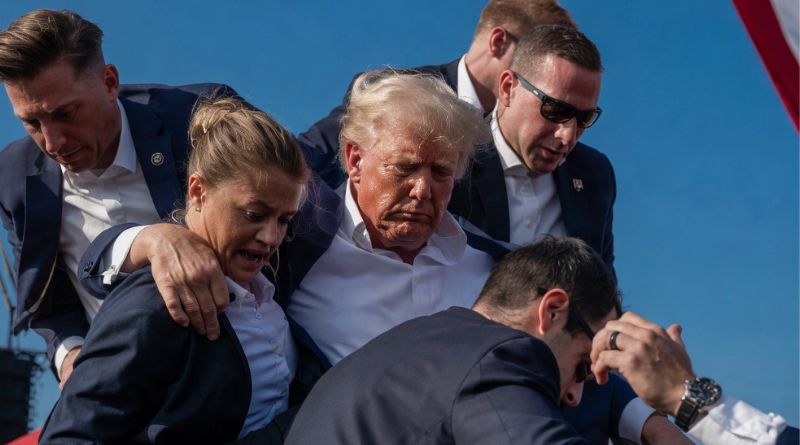
It is crucial to separate this rumor from the well-documented assassination attempt on Trump in July 2024. During a campaign rally in Butler, Pennsylvania, a gunman opened fire, grazing Trump’s ear and killing one attendee while injuring two others. That attack led to significant enhancements in Secret Service protocols, multiple federal investigations, and heightened security measures that remain in place today. Authorities have continued to monitor and neutralize credible threats against the president, but no new shooting incident matching today’s viral claims has been reported or verified.
Security experts emphasize the real-world dangers of such hoaxes. False alarms can overwhelm emergency systems, cause public panic, and undermine confidence in legitimate news sources. When misinformation circulates repeatedly, it becomes increasingly difficult for people to discern genuine emergencies from fabricated ones, potentially leaving society less prepared when a real crisis arises.
Political observers point out that figures like Trump are frequent targets of online disinformation, especially during periods of heightened political tension. Sensational headlines and emotionally charged posts are often designed not to inform, but to drive clicks, shares, outrage, and division. The goal in many cases is engagement farming rather than accurate reporting.
As of now, all verified sources confirm that President Trump has not been shot again — neither in Washington, D.C., nor anywhere else. He continues his regular duties without any reported security incidents matching the viral claims.
This episode underscores a broader challenge in the information age: a single unverified post can reach millions before facts catch up. Experts and officials urge the public to exercise caution by cross-checking breaking news with reputable media organizations and official government statements, especially on matters involving public safety.
In a landscape where misinformation travels faster than ever, critical thinking and verification remain our best defenses against confusion and chaos.