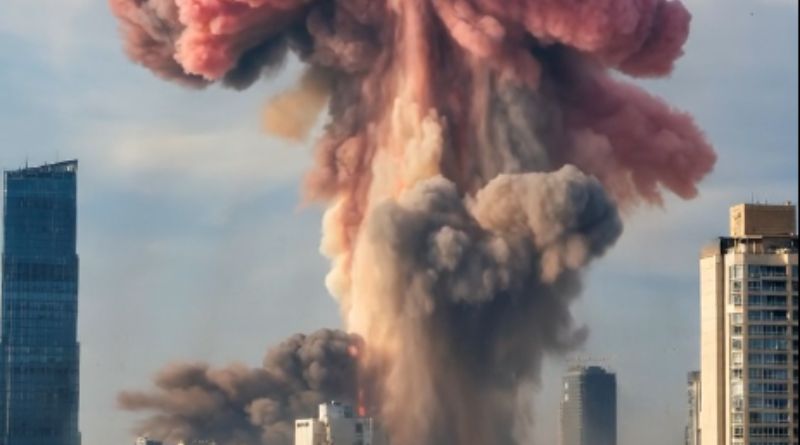
For decades, Israeli leaders have viewed a nuclear-armed Iran as an existential threat, shaping the country’s defense policies, diplomacy, and covert actions. Years of containment efforts—including diplomacy, cyberattacks, sabotage, and limited strikes—aimed to delay Iran’s nuclear advances. That approach shifted dramatically on February 28, 2026, when Israel and the United States launched a major joint military offensive, now recognized as one of the most ambitious Israeli campaigns since the state’s founding.
The operation, known in U.S. channels as Operation Epic Fury, followed months of planning. It built on a 12-day conflict in June 2025 that had already degraded Iran’s nuclear sites. By late 2025, Israeli intelligence warned that Iran was close to achieving a nuclear breakout capability. A brief popular uprising in Iran in January 2026, quickly crushed by authorities, created what planners saw as a window of internal weakness.
On February 23, Israeli Prime Minister Benjamin Netanyahu reportedly briefed U.S. President Donald Trump on intelligence pinpointing a high-level Iranian leadership meeting in Tehran, including Supreme Leader Ali Khamenei. Days later, coordinated strikes began. The initial wave targeted missile facilities, air defenses, command centers, and leadership compounds across northern Iran. A precision strike on a central compound in Tehran killed Khamenei, who had ruled since 1989. Iran confirmed his death on March 1, sending shockwaves through the region and leaving the Islamic Republic in disarray.
In the following weeks, the campaign expanded. Israeli and U.S. forces conducted thousands of strikes across nearly all of Iran’s provinces, hitting military infrastructure, energy sites such as oil depots in Tehran, the South Pars gas field, and facilities on Kharg Island. These attacks disrupted Iran’s ability to fund and sustain military operations but also sparked fires, environmental concerns, and a surge in global energy prices. Iran retaliated with ballistic missile barrages against Israel, though most were intercepted; debris and direct hits caused civilian casualties, including nine deaths in Beit Shemesh on March 1.
The humanitarian toll has been severe. Reports indicate over 3,000 deaths in Iran, including more than 1,300 civilians, with tragic incidents such as a strike near a girls’ school in Minab killing around 170 children. Dozens of hospitals and civilian sites were damaged. Israel and the U.S. have insisted that operations focused on military targets and that civilian harm was minimized, while Iran accused the coalition of deliberate attacks on non-military areas.
Parallel operations intensified against Hezbollah in southern Lebanon, displacing nearly one million people and causing over 1,000 deaths there.
As the conflict enters its fifth week, the Strait of Hormuz remains disrupted, energy markets stay volatile, and international reactions remain divided. The U.S. and UK have supported the effort, while the UN and others have condemned the strikes and called for restraint. Netanyahu has described the campaign as essential to eliminate an existential danger, with warnings extending to Iran’s regional proxies.
This operation—marked by the assassination of a sitting supreme leader and sustained deep strikes into a major power—has fundamentally altered Middle East dynamics. Its long-term effects on regional stability, nuclear proliferation, civilian lives, and global alliances will likely resonate for years. The world watches as the situation continues to unfold.