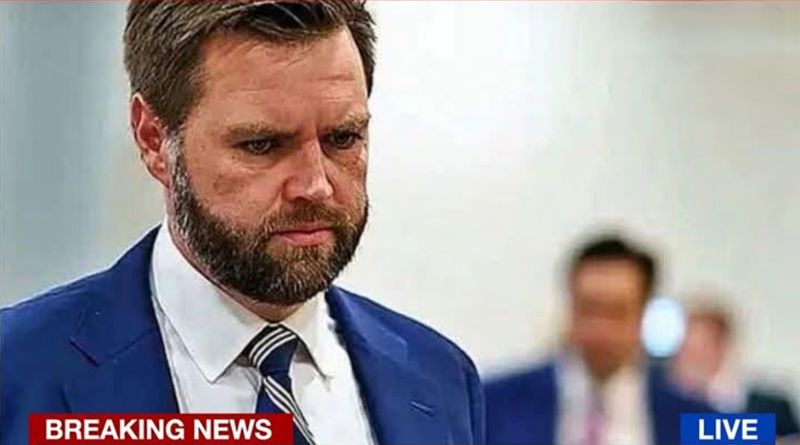
Recent remarks by U.S. Vice President JD Vance have sparked sharp backlash in the United Kingdom, particularly among political leaders and military veterans.
In a Fox News interview, Vance argued that a proposed U.S. economic deal involving critical minerals in Ukraine would offer a stronger security guarantee than deploying “20,000 troops from some random country that hasn’t fought a war in 30 or 40 years.” Although he did not name specific nations, the comment was widely interpreted as a slight against potential European peacekeeping contributions, with the UK and France being the most prominent countries publicly committed to such a force.
The reaction in Britain was swift and forceful. Veterans and politicians, including former Defence Minister Johnny Mercer and SAS veteran Andy McNab, stressed the deep bonds forged through shared combat. They highlighted the hundreds of British troops who died alongside American forces in Iraq and Afghanistan, insisting that UK soldiers have been genuine partners in the fight, not symbolic allies.
Prime Minister Keir Starmer and senior military figures also weighed in, underscoring the need for mutual respect among longstanding NATO allies. Critics argued that the remarks risked undervaluing allied sacrifices and could erode trust at a sensitive moment in transatlantic relations.
The controversy quickly escalated as opposition politicians accused Vance of disrespecting British service members and “erasing” their contributions from recent history. Many pointed out that British and French troops had fought bravely with U.S. forces in major operations over the past two decades.
Vance later pushed back firmly. In a post on X, he called accusations that he was targeting the UK or France “absurdly dishonest.” He clarified that his comments referred to nations offering support without significant battlefield experience or modern equipment, while explicitly praising Britain and France for standing alongside the United States “bravely… over the last 20 years, and beyond.”
Still, the episode revealed deeper truths about alliances. Partnerships between nations rest not only on treaties and strategic interests but also on language, recognition, and respect for shared history and loss. Words spoken in public carry real weight, especially when they touch on military service and the memory of the fallen.
Ultimately, this episode serves as a timely reminder: trust among allies is resilient, built over generations of cooperation, but it is never automatic. It must be nurtured through careful communication and acknowledgment of one another’s contributions, even amid policy disagreements.