President Donald Trump has not endorsed a 45-day ceasefire proposal drafted by regional mediators that would also require the reopening of the Strait of Hormuz. Iran, meanwhile, has rejected any temporary truce, stating it has prepared its own response to U.S. demands to end the conflict and insisting on a permanent resolution rather than a short-term pause.
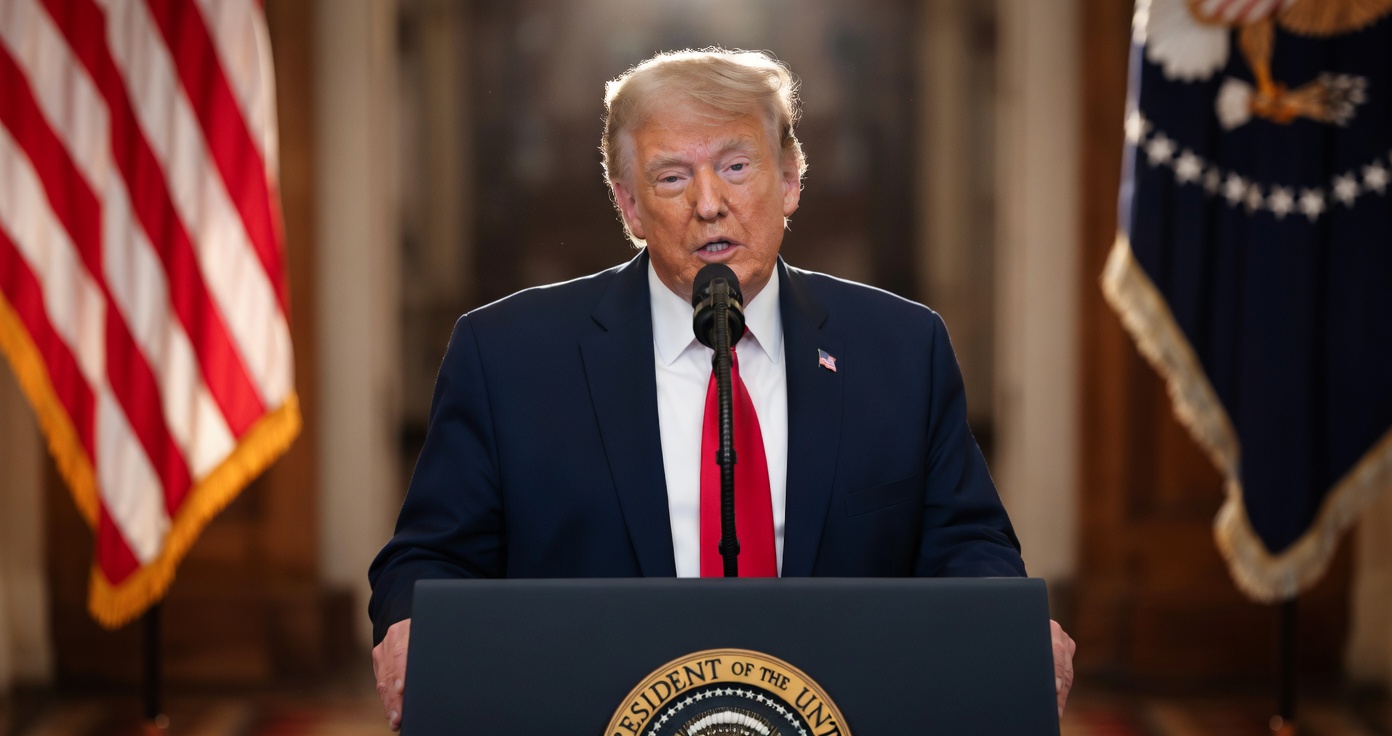
The plan, delivered to both Washington and Tehran late Sunday, emerged as a last-ditch effort to avert Trump’s threatened massive strikes on Iranian infrastructure—including power plants—if the vital waterway remains blocked. A White House official confirmed that Trump has not approved the proposal. “This is one of many ideas,” the official said, noting that U.S. military operations against Iran continue without interruption. Trump is scheduled to address the ongoing war during a news conference at 1 p.m. ET from the White House.
Pakistan, Egypt, and Turkey have been mediating between the two sides, but indirect talks stalled last week, and prospects for direct face-to-face negotiations faded. The latest draft was sent to U.S. special envoy Steve Witkoff and Iranian Foreign Minister Abbas Araghchi. Mediators hoped the 45-day window would create space for broader negotiations to achieve a lasting end to the war. Iran, however, has opposed any short-term ceasefire, arguing it would simply give its adversaries time to regroup and rearm.
Despite the rejection, some mediators remain hopeful the plan could advance before Trump’s Tuesday deadline at 8 p.m. ET. The proposal was first reported by Axios.
As the conflict with Iran enters its sixth week and Iranian retaliatory attacks persist, Israel’s government has approved accelerated production of Arrow missile interceptors. The Defense Ministry announced the move on Monday, following a decision by the ministerial committee for procurement at the request of Defense Minister Israel Katz and ministry director-general Amir Baraam.
The Arrow system forms the upper tier of Israel’s multi-layered air defense network, designed to intercept long-range ballistic missiles both exo-atmospherically and at the edge of the atmosphere. It has been central to defending against Iran’s missile barrages during the current war and the earlier 12-day conflict in June. The new agreement with Israel Aerospace Industries aims to significantly boost both the rate and volume of interceptor production to sustain operations amid evolving threats.
The step follows media reports suggesting possible strain on Israel’s interceptor stockpiles. In March, Israeli officials pushed back against claims—citing U.S. sources—that the country was running critically low. Katz stated Monday that “Israel has sufficient interceptors to defend its citizens,” emphasizing that the increase will ensure “continued operational freedom and the necessary endurance.” He added a stern warning: “The ayatollah regime should know: the state of Israel is strong and resilient, prepared to continue the campaign as long as necessary.”
The United Arab Emirates has stressed that any ceasefire must address broader Gulf Arab security concerns to prevent a more dangerous regional environment. Anwar Gargash, diplomatic adviser to the UAE president, told CNN that Abu Dhabi seeks an end to the conflict but not one that leaves underlying issues unresolved. He highlighted the need to tackle Iran’s nuclear program, as well as its missiles and drones that continue to target Gulf states and others.
Gargash warned that any non-belligerence agreement must apply regionally, not just to U.S. or Israeli actions against Iran, but also to Iran’s aggression toward its neighbors. He predicted that Iran’s attacks on Gulf Arab states would likely strengthen, rather than diminish, the U.S. role in the Gulf and increase Israeli influence in the area. A core Iranian demand for ending the war includes the closure of U.S. military bases in the region, which Tehran accuses of facilitating strikes against it.