U.S.-Iran Tensions Escalate Amid Infrastructure Threats and Fragile Ceasefire
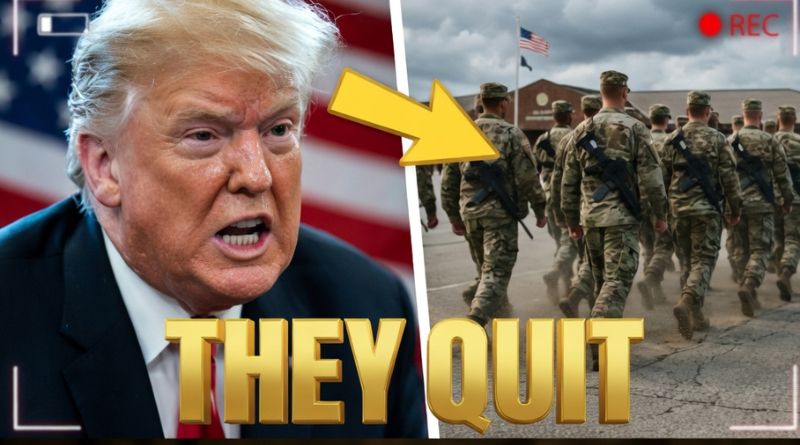
Early Friday morning, unverified reports circulated of a potential military walkout among some U.S. service members, adding another layer of uncertainty to the already strained relationship between the United States and Iran. While Pentagon officials have not confirmed any widespread refusal of duty, the rumors underscore growing domestic unease over the direction of U.S. military involvement in the region.
The speculation emerged against a backdrop of intense rhetoric from President Donald Trump, who repeatedly warned of targeting Iranian civilian infrastructure if Tehran failed to reopen the Strait of Hormuz. In public statements and social media posts, Trump threatened to strike power plants, bridges, and other critical facilities, declaring that failure to comply could result in a devastating blow to Iran within hours. These comments, issued as part of a deadline tied to reopening the vital oil shipping lane, sparked immediate concern among legal experts and humanitarian organizations.
International law specialists argue that systematic attacks on infrastructure essential to civilian life—such as electricity grids and transportation networks—could breach the Geneva Conventions and principles of distinction between military and civilian targets. Critics warn that such actions risk causing widespread humanitarian suffering without achieving decisive military gains. Historical precedents suggest that infrastructure bombing often fuels nationalist backlash, strengthens regime support, and complicates long-term diplomatic efforts rather than weakening the adversary.
In Washington, the aggressive posture has drawn sharp criticism from Democrats. Senator Chris Van Hollen and others have labeled the approach “reckless,” arguing it lacks a coherent strategy or clear exit plan. Lawmakers have raised alarms over the pace of executive decisions potentially outstripping congressional oversight, including war powers authorization and funding controls. Calls for greater legislative involvement have intensified as the conflict risks prolonged entanglement.
The geopolitical stakes remain extraordinarily high. Iran has historically responded to external pressure by hardening its position rather than conceding. Analysts note that military coercion alone has limited success in forcing behavioral change from Tehran, which continues to wield influence through regional proxies and retains significant asymmetric capabilities. The absence of a well-defined endgame raises fears of a drawn-out conflict that could drain U.S. resources, incur further casualties, and destabilize global energy markets.
After more than five weeks of direct confrontation that began with U.S. and Israeli strikes on February 28, 2026, the two sides agreed to a two-week conditional ceasefire around April 7-8. Brokered with Pakistani and reported Chinese involvement, the truce requires Iran to allow safe reopening of the Strait of Hormuz while the U.S. halts offensive operations. Both sides have claimed aspects of the pause as a success—Washington citing damage inflicted on Iranian military assets, Tehran projecting resilience. However, the agreement remains fragile, with ongoing incidents reported and questions persisting over its scope, particularly regarding Lebanon.
Back-channel and indirect negotiations continue, with Vice President JD Vance expected to participate in talks in Islamabad. Diplomats emphasize the urgent need to prevent miscalculation, as perceptions can drive escalation as much as facts on the ground.
As the ceasefire holds tenuously into its early days, the central challenge is whether restraint and diplomacy can prevail over the cycle of retaliation. A single misstep could unravel the pause and plunge the region into deeper instability, with consequences extending far beyond the Middle East. For now, the world watches closely as negotiators seek a path toward a more durable resolution.