A tragic multi-vehicle collision on the Mexico–Querétaro Highway has once again spotlighted the vulnerabilities of one of Mexico’s most critical transportation corridors. The incident, which occurred near the Jorobas intersection in Huehuetoca, State of Mexico, claimed lives, injured others, and caused hours of chaos, raising urgent questions about road safety, infrastructure maintenance, and driver accountability on this vital artery.
The Mexico–Querétaro Highway (Autopista 57D) serves as a major lifeline connecting Mexico City to industrial hubs in Querétaro, Guanajuato, and beyond. Thousands of cars, buses, and heavy freight trucks traverse its lanes daily, moving people, goods, and economic activity across the region. The Jorobas area, known for its complex layout near toll plazas and connections to the Circuito Exterior Mexiquense, frequently experiences congestion and has been the site of multiple incidents involving sudden stops and chain-reaction crashes.
On the day of the accident, traffic appeared routine for this heavily traveled route. However, within moments, a sequence of collisions unfolded with devastating force. Several vehicles, including private cars and large trucks, became entangled in a violent pile-up that scattered wreckage across multiple lanes. Witnesses reported the deafening sounds of impact followed by a grim silence, then the urgent wail of sirens and cries for assistance. What had been a normal stretch of highway rapidly transformed into a scene of destruction and emergency response.
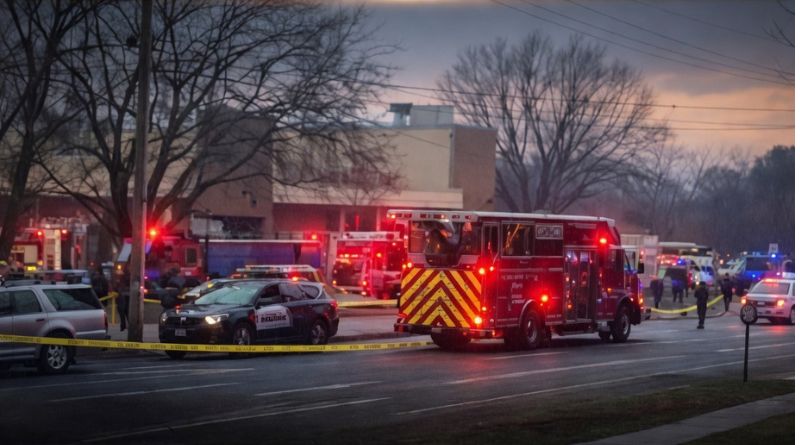
Emergency services responded with commendable speed and coordination. Units from paramedics, firefighters, civil protection, and state police arrived within minutes. Rescue teams faced a difficult environment: twisted metal, leaking fluids, and unstable vehicles trapped victims inside. Using specialized tools, crews worked carefully to extricate the injured while ensuring the safety of first responders.
On-site triage areas were quickly established to assess and prioritize victims according to injury severity. Some received immediate life-saving care at the scene, while others were stabilized and rushed by ambulance to nearby hospitals. Medical facilities in the surrounding areas activated emergency protocols, preparing staff and resources to manage the influx of patients. This coordinated effort likely prevented even greater loss of life amid the challenging conditions.
As rescue operations continued, authorities shifted focus to managing the widespread traffic disruption. Backups extended for kilometers in both directions, turning routine commutes into lengthy ordeals for hundreds of drivers. Security personnel implemented detours and controlled access points to keep emergency lanes clear. Heavy machinery eventually arrived to clear debris and remove damaged vehicles, but the scale of the wreckage made the process time-consuming and meticulous.
With the immediate crisis under control, investigators began piecing together the causes of the collision. Preliminary reports point to possible contributing factors such as excessive speed, reduced visibility from weather or lighting conditions, and potential mechanical issues—particularly with heavy trucks. Authorities are examining braking systems, tire conditions, maintenance logs, and driver statements. Reconstructing the exact sequence will require analyzing physical evidence, skid marks, and video footage if available. Findings from this inquiry could lead to accountability measures and reveal systemic weaknesses in highway safety enforcement.
Beyond the technical details, the human cost remains the most profound aspect of the tragedy. Each fatality represents a family shattered by sudden loss, while survivors must contend with physical injuries, emotional trauma, and long recovery journeys. Communities near the highway have expressed grief and frustration, calling for stronger preventive measures to protect those who rely on the route daily.
The incident has reignited national conversations about road safety on Mexico’s major highways. Experts and advocacy groups emphasize several key areas for improvement: stricter enforcement of speed limits and fatigue regulations for commercial drivers, mandatory and more frequent mechanical inspections for freight vehicles, and targeted infrastructure upgrades. At high-risk zones like Jorobas, enhancements could include better lighting, improved signage, clearer lane markings, and intelligent traffic monitoring systems to reduce congestion and enhance visibility.
Drivers also bear shared responsibility. Maintaining safe speeds, staying alert to changing conditions, keeping vehicles well-maintained, and avoiding distractions can significantly lower risks. In a corridor as busy as Mexico–Querétaro, even small lapses in judgment can cascade into major incidents when combined with heavy truck traffic and variable weather.
Long-term solutions will require sustained investment and collaboration among federal authorities (such as CAPUFE), state governments, private operators, and civil society. Modernizing aging infrastructure, integrating advanced safety technologies, and addressing growing traffic volumes are essential steps toward preventing future tragedies.
As cleanup concludes and normal traffic resumes, the physical evidence of the crash will fade. Yet the memory—and the lessons—must endure. This accident is not an isolated event but part of a recurring pattern on this economically vital highway. Meaningful change through policy reforms, better enforcement, and individual vigilance offers the best path forward.
Ultimately, tragedies like the one at Jorobas remind us that efficient transportation must never come at the expense of human lives. Honoring those affected means committing to safer roads so that families can continue their journeys without fear. Through collective effort and renewed focus on prevention, Mexico can work toward ensuring that its critical highways protect rather than endanger the people who depend on them.