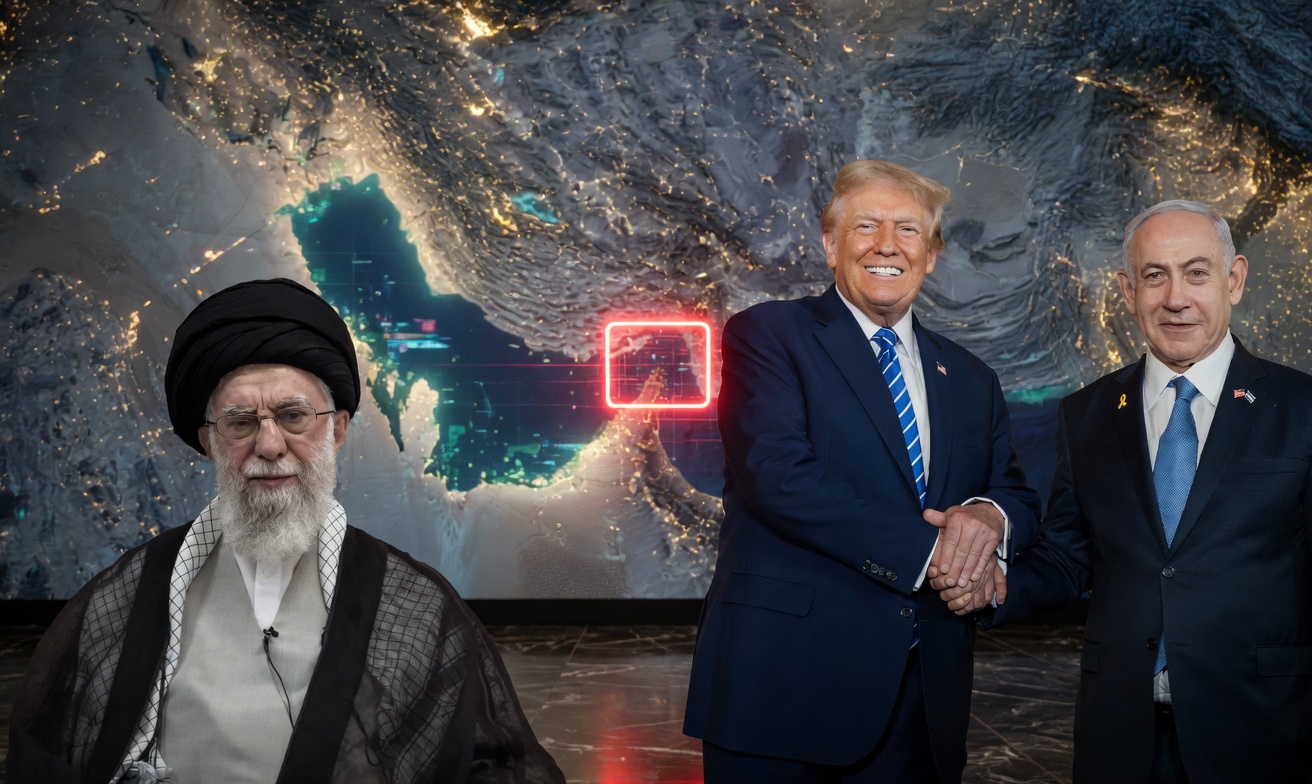
It came without warning—and within minutes, the news dominated headlines worldwide. Reports indicate that Iran’s parliament has advanced measures effectively tightening control over one of the planet’s most vital shipping lanes, the Strait of Hormuz. This development threatens to disrupt global trade and send immediate shockwaves through energy markets and beyond.
The Strait of Hormuz, a narrow chokepoint between Iran and Oman, serves as the primary exit from the Persian Gulf. It normally carries about 20% of the world’s oil supply and a substantial share of liquefied natural gas—roughly 20-21 million barrels per day in peacetime. Tankers loaded with crude from Saudi Arabia, Iraq, the UAE, Kuwait, and Iran itself rely on this route to reach global markets. A sustained disruption would not remain a regional matter; it would rapidly affect fuel prices, supply chains, manufacturing, and inflation worldwide, hitting import-dependent economies in Asia and Europe hardest.
The timing amplifies the stakes. Ongoing tensions in the U.S.-Iran conflict have already led to partial restrictions, selective permits, toll demands (reportedly up to millions per vessel in some cases), and bans on U.S., Israeli, or sanctioned ships. Iran’s parliament has approved or reviewed plans for a “new framework” managing the strait, including security measures, rial-based tolls, and formal sovereignty assertions. Traffic has plummeted dramatically—down over 90% from pre-conflict levels—with only limited vessels passing under Iranian approval. In response, the United States has implemented its own partial naval blockade of Iranian ports and coastal areas, turning back multiple ships to cut off Tehran’s oil revenue and pressure for concessions.
Analysts and officials are urgently assessing the fallout. Some view Iran’s moves as strategic leverage amid fragile ceasefire talks and retaliatory dynamics, while others warn of escalation risks, including potential attacks on shipping, proxy disruptions (such as threats to the Red Sea), or direct naval confrontation. The U.S. Navy, with superior forces in the region, has signaled resolve to maintain freedom of navigation, though miscalculations could prove costly.
In the end, this is far more than a single parliamentary vote or localized dispute. It represents a high-stakes contest over a global artery, where decisions in Tehran and Washington could trigger cascading effects on energy costs, economic stability, and international security. Markets are volatile, shipping firms are rerouting or halting, and governments are monitoring satellite data and tanker tracks closely. As fragile truces and negotiations continue, the world watches what unfolds next—because when the flow through Hormuz falters, the ripples reach every continent.