The U.S. House of Representatives passed legislation on April 16, 2026, to extend Temporary Protected Status (TPS) for Haitian nationals, but the measure faces strong opposition in the Senate and from the Trump White House, making its chances of becoming law slim.
Rep. Ayanna Pressley (D-Mass.), co-chair of the House Haiti Caucus, led the effort using a rare discharge petition—only the 15th to succeed in the last 40 years—to bypass House leadership and force a floor vote. The House approved the underlying bill, H.R. 1689 (sponsored by Rep. Laura Gillen, D-N.Y.), by a vote of 224-204. Ten Republicans joined nearly all Democrats in support.
The bill would require the Department of Homeland Security to extend TPS designation for Haiti through April 2029, providing legal protection and work authorization for roughly 350,000 Haitian nationals currently in the United States. Supporters, including Pressley, described the vote as a “tremendous feat” and a necessary humanitarian step amid ongoing instability, gang violence, and weak governance in Haiti. They argued it prevents family separations and supports U.S. communities where many TPS holders work in healthcare, services, and small businesses.
However, Senate Republicans quickly signaled the bill is “dead on arrival.” Sen. Katie Britt (R-Ala.) posted that TPS is intended to be temporary, not a pathway to long-term or permanent residency. “This is dead on arrival in the Senate,” she wrote, adding that repeated extensions go beyond the program’s original scope.
Other GOP senators voiced similar objections. Sen. Eric Schmitt (R-Mo.) warned that “endless ‘temporary’ exceptions” erode control of the immigration system. He referenced the original 2010 earthquake designation for Haiti and said further extensions amount to de facto long-term policy. “I will fight to stop this in the Senate,” Schmitt stated. Sen. Marsha Blackburn (R-Tenn.) vowed to ensure the resolution “never sees the light of day,” while Sen. Bernie Moreno (R-Ohio) emphasized that the program is called “TEMPORARY protected status” for a reason.
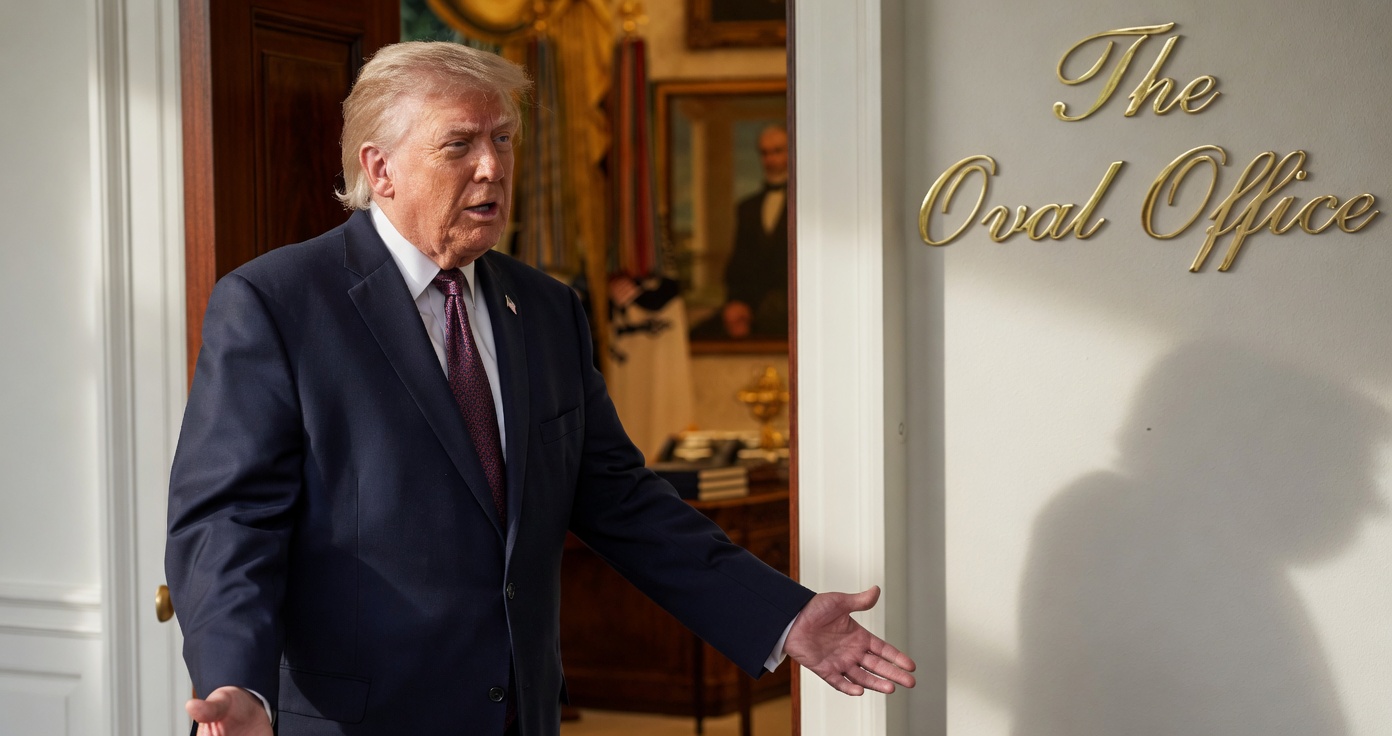
The Trump administration has made clear it opposes the extension and would not sign it into law, consistent with its broader push to wind down TPS designations where country conditions are deemed no longer to justify them. The administration moved to terminate Haiti’s TPS last year, with an original effective date of February 3, 2026, but federal courts issued stays blocking the move.
The issue is now before the U.S. Supreme Court, with oral arguments scheduled for April 29, 2026, in consolidated cases involving Haiti and Syria TPS terminations. The Court will examine the scope of executive authority to end designations and the limits of judicial review. A decision is expected by late June or early July.
Senate leadership has not scheduled the House-passed measure for consideration, and Republican opposition suggests it has little chance of advancing. TPS for Haiti originated after the devastating 2010 earthquake and has been extended multiple times under both parties. Critics argue that prolonged use has transformed a short-term humanitarian tool into something closer to permanent relief, undermining immigration enforcement priorities following the 2024 election.
The House action highlights deep partisan divides on immigration, even as a small bipartisan group supported the measure. Without Senate approval and presidential signature—or a major shift in the legal landscape—the extension is unlikely to take effect.