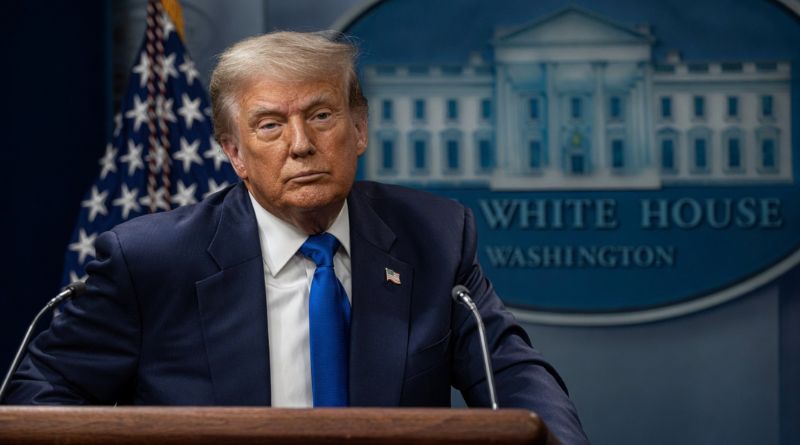
President Donald Trump stated that the U.S. conflict with Iran is “very close to over,” citing what the administration describes as overwhelming military and economic pressure on Tehran after weeks of escalation.
The comments came during an interview with Fox Business host Maria Bartiromo. When asked if the war was finished, Trump replied, “I think it’s close to over, yeah. I view it as very close to over… We’re not finished. We’ll see what happens.” He added that Iran “wants to make a deal very badly” and claimed that if the U.S. withdrew immediately, “it would take them 20 years to rebuild that country.”
The conflict erupted on February 28, 2026, when the United States and Israel launched coordinated strikes—known as Operation Epic Fury—targeting Iran’s nuclear facilities, missile infrastructure, military assets, and senior leadership. The campaign has significantly degraded Iran’s capabilities, including its air defenses, missile production, and naval forces.
Since then, the Trump administration has intensified its strategy with a naval blockade of Iranian ports and the Strait of Hormuz, severely restricting oil exports and maritime traffic. This has compounded existing sanctions, cutting off Tehran’s primary revenue source and placing the Iranian economy under extreme strain.
A temporary two-week ceasefire took effect around April 8, pausing large-scale combat. However, the pause remains fragile, with ongoing disputes over its scope, including Israeli actions in Lebanon. Recent incidents, such as the U.S. Navy’s seizure of an Iranian cargo ship attempting to breach the blockade, have heightened tensions, prompting Iranian threats of retaliation and renewed restrictions in the Strait of Hormuz.
Indirect negotiations continue, with Pakistan acting as an intermediary. While weekend talks in Islamabad yielded limited progress, the administration believes Iran’s weakened position is increasing its willingness to concede on key issues, particularly its nuclear program.
Administration officials argue that the combination of precision strikes and economic isolation has shifted the strategic balance decisively. Iran retains some asymmetric tools through proxy groups and potential shipping disruptions, but its ability to sustain prolonged conflict is sharply limited.
Trump’s messaging reflects a careful balance: projecting confidence in an approaching endgame while preserving leverage through continued pressure. Declaring victory prematurely could weaken negotiating positions, yet the sustained blockade and sanctions signal that concessions will be required before full de-escalation.
The coming days will prove critical. With the ceasefire nearing expiration and indirect diplomacy ongoing alongside military enforcement, Washington and Tehran are balancing deterrence and negotiation. The administration appears positioned to secure strategic gains without committing to a long-term ground war, though regional volatility means risks of renewed escalation persist.