Trump Rejects Multinational Ceasefire Proposal as US-Iran War Enters Critical Phase
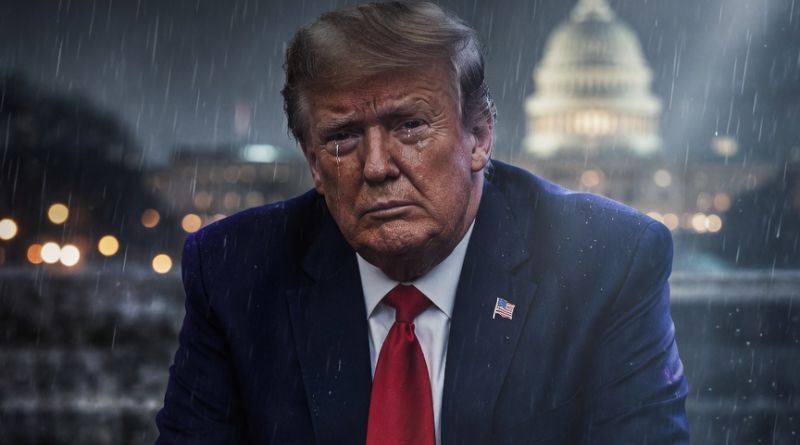
President Donald Trump has declined to approve a multinational proposal calling for a 45-day ceasefire and the immediate reopening of the Strait of Hormuz, as the conflict with Iran stretches into its sixth week with no clear resolution in sight.
The plan, drafted by mediators from Pakistan, Egypt, and Turkey, was transmitted to both Washington and Tehran late on Sunday. It aimed to halt escalating hostilities and create a window for broader negotiations to end the war permanently. According to a White House official, however, Trump views the proposal as merely “one of many ideas,” and U.S. military operations against Iranian targets continue without pause.
Iran has similarly pushed back, rejecting any short-term truce. Tehran instead delivered a detailed 10-point response outlining its conditions for a permanent end to the conflict, including the lifting of sanctions, protocols for safe passage through the strait, regional de-escalation, and reconstruction assistance. Iranian officials argue that a temporary ceasefire would only give adversaries time to regroup and resume attacks, drawing on past experiences of fragile truces.
The mediators had hoped the 45-day pause would allow indirect talks—facilitated through U.S. special envoy Steve Witkoff and Iranian Foreign Minister Abbas Araghchi—to evolve into face-to-face discussions. Optimism remains cautious, with some diplomats believing the plan could still gain traction before Trump’s stated deadline of 8 p.m. ET on Tuesday. The president is scheduled to address the ongoing war during a White House news conference at 1 p.m. ET.
The stakes are high. Iran’s partial closure or disruption of the Strait of Hormuz—a vital chokepoint carrying roughly one-fifth of global oil shipments—has prompted strong U.S. retaliation, including naval blockades of Iranian ports. Trump has repeatedly threatened massive strikes on Iranian infrastructure, including power plants and bridges, should the waterway remain obstructed.
On the Israeli front, the Defense Ministry announced Monday that it will accelerate production of Arrow missile interceptors, the cornerstone of Israel’s multi-layered air defense system designed to counter long-range ballistic missiles. The decision, approved by a ministerial committee at the request of Defense Minister Israel Katz, involves a new agreement with Israel Aerospace Industries to significantly boost output and stockpiles.
Katz emphasized that Israel currently possesses sufficient interceptors to protect its citizens but is preparing for prolonged operations. “The ayatollah regime should know: the state of Israel is strong and resilient, prepared to continue the campaign as long as necessary,” he stated. The move follows concerns that sustained Iranian missile and drone barrages—echoing tactics from last year’s 12-day war—may be straining existing reserves.
Regional actors are also weighing in. Anwar Gargash, diplomatic adviser to the UAE president, told CNN that any ceasefire must address core Gulf Arab security concerns to avoid creating an even more unstable environment. He stressed the need to tackle Iran’s nuclear program, its missile and drone capabilities, and its pattern of aggression toward neighboring states.
“An agreement would have to extend to everybody,” Gargash said. “It’s not only American-Israeli actions against Iran, but it has to address Iran’s belligerence against its neighbors as well.” He warned that unresolved issues could ultimately strengthen rather than diminish U.S. and Israeli influence in the Gulf.
As indirect negotiations remain stalled and military pressures mount, the coming days will prove decisive. Both sides continue to signal willingness for talks while maintaining firm red lines, leaving the path to a lasting peace highly uncertain.