The Supreme Court’s 2016 emergency order blocking President Barack Obama’s Clean Power Plan came after sharp internal divisions among the justices, according to confidential memos obtained by The New York Times and published on April 18, 2026.
The documents, spanning roughly 16 pages from late January to early February 2016, provide a rare look inside the Court’s deliberations on its “shadow docket”—the emergency process that allows swift action with minimal public explanation. In a 5–4 vote along ideological lines, the justices halted the Obama-era Environmental Protection Agency regulation before lower courts completed their review, marking what many legal scholars view as an early milestone in the Court’s increased use of expedited rulings on major executive actions.
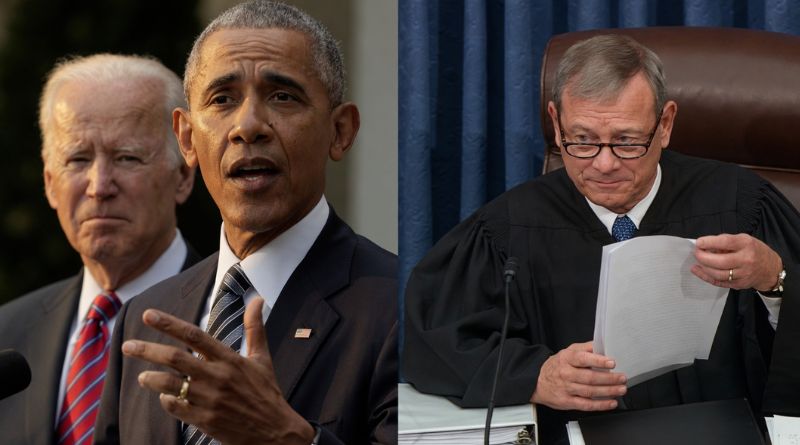
Chief Justice John Roberts, appointed by George W. Bush, played a central role in urging intervention. In one memo, he warned that without a stay, the Clean Power Plan would cause “substantial and irreversible reordering of the domestic power sector” before the Court could assess its legality. Roberts argued the rule—aimed at cutting carbon emissions from coal-, oil-, and gas-fired power plants—would force costly compliance measures and plant closures that could not easily be undone, even if the regulation were later struck down. He described it as highly unlikely to survive full judicial scrutiny and emphasized potential “irreparable harm” to states and industry.
Justice Samuel Alito supported this view, writing that failing to stay the rule threatened the Court’s ability to provide meaningful review and could undermine its institutional legitimacy.
Liberal justices expressed reservations about the unusual request. Justice Elena Kagan, an Obama appointee, said the nature of the relief sought gave her “real pause,” noting it departed from traditional practice of waiting for lower-court decisions. Some liberals suggested compromises or questioned the urgency, but the conservative majority prevailed.
The Clean Power Plan sought to reduce power-sector carbon emissions by about 32 percent by 2030 through state-specific targets that encouraged shifting from coal to cleaner energy sources. Supporters hailed it as a vital climate measure; opponents, including Republican-led states and energy groups, argued it exceeded EPA authority under the Clean Air Act and would raise energy prices while harming the economy.
The Court issued its one-paragraph unsigned order on February 9, 2016. The White House publicly downplayed it as a temporary procedural step but was reportedly surprised by the speed. The plan never fully took effect; it was later repealed under the Trump administration, and related issues reached the Supreme Court again in West Virginia v. EPA (2022), which limited EPA’s use of broad “generation shifting” approaches.
Legal analyst Jonathan Turley criticized the leak itself, calling it the second major breach of confidentiality after the 2022 Dobbs draft opinion leak. He suggested the disclosure appeared designed to damage the Court’s reputation and portrayed the institution as increasingly “porous and partisan.”
Other observers note that while the memos reveal forceful advocacy from Roberts and ideological splits, they largely confirm what the 5–4 vote and stakes already suggested. Critics of the decision argue it prioritized industry costs over climate concerns and normalized aggressive use of the shadow docket. Defenders see it as a necessary safeguard against irreversible regulatory overreach before full review.
The episode highlights ongoing debates over the balance between executive power, judicial oversight, and the Court’s internal norms of confidentiality. The full memos, now public, offer insight into how the justices grappled with a high-stakes policy dispute in real time.