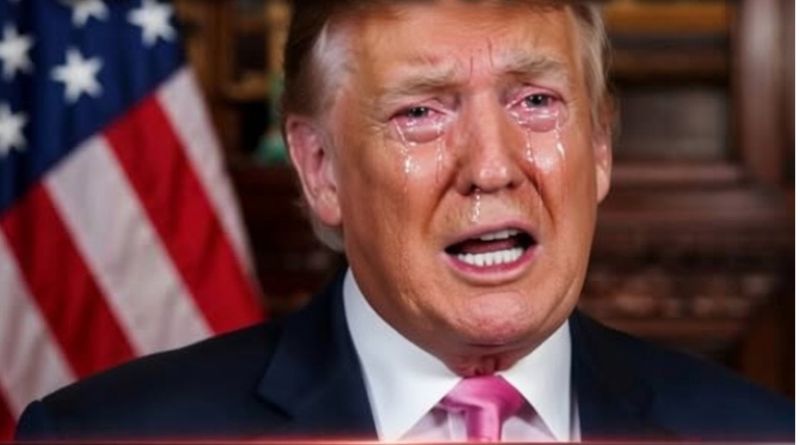
On Thursday, August 3, 2023, the American justice system entered uncharted territory. Donald Trump, the 45th president of the United States, was arraigned in federal court in Washington, D.C., on charges stemming from his efforts to challenge the results of the 2020 presidential election. The indictment accused him of conspiring to defraud the United States, obstructing the congressional certification of the Electoral College vote on January 6, 2021, and conspiring to violate the constitutional rights of voters.
Prosecutors, led by Special Counsel Jack Smith, alleged that Trump and unnamed co-conspirators pursued a coordinated strategy to overturn the election outcome. This included promoting false claims of widespread fraud, pressing state officials to alter vote counts or certify alternate slates of electors, attempting to involve the Justice Department in challenging results, and rallying supporters who later marched on the Capitol. The core claim was that these actions were not mere political rhetoric or legitimate advocacy but a deliberate effort to disrupt the constitutional process for the peaceful transfer of power.
The case quickly became one of the most polarizing in modern U.S. history. Supporters of the prosecution viewed the charges as a necessary stand for accountability, arguing that no one—not even a former president—is above the law when democratic institutions are at stake. Critics, including Trump and his allies, denounced the indictment as politically motivated “lawfare” designed to interfere with his 2024 presidential campaign. They maintained that Trump was exercising his First Amendment rights to question election integrity and that the case represented a dangerous weaponization of the justice system against a political opponent.
Legal proceedings unfolded amid intense debate. Trump pleaded not guilty. His legal team raised broad challenges, including claims of presidential immunity for official acts. The Supreme Court’s July 2024 ruling on immunity narrowed the scope of potential evidence and led to a superseding indictment focused on non-immunized conduct. Trial dates were repeatedly delayed as motions, appeals, and discovery disputes played out.
The case ultimately never reached a jury. Following Trump’s victory in the November 2024 election, Special Counsel Smith moved to dismiss the charges in November 2024, citing the Department of Justice’s longstanding policy against indicting or prosecuting a sitting president. U.S. District Judge Tanya Chutkan granted the motion, dismissing the indictment without prejudice. In January 2025, Smith released a final report before resigning. It maintained that the evidence would have been sufficient to secure a conviction at trial had the case proceeded, but the DOJ policy rendered further prosecution impossible once Trump returned to office.
Today, the matter has shifted from the courtroom back to the arena of public and political discourse. The events of 2020–2021 continue to divide Americans sharply. For some, they represent a serious threat to democratic norms that demanded legal scrutiny. For others, they reflect heated but protected political contestation in a closely contested election. Whatever one’s view, the episode tested the resilience of American institutions and highlighted deep tensions over trust in elections, the limits of executive power, and the role of criminal law in political disputes.
The dismissal leaves no criminal verdict in the federal case, yet its legacy will likely influence debates over accountability, immunity, and electoral integrity for years to come. (Word count: 452)
This rewrite maintains a neutral tone, incorporates the key facts from the original while updating the outcome for accuracy, and flows as a cohesive short article. Let me know if you’d like adjustments in length, emphasis, or style.