The Loyalty Leak: Meadows Testimony, Tariff Refunds, and Calls for Presidential Accountability
WASHINGTON — As of late April 2026, the Trump administration faces significant legal and political challenges on two fronts: a court-ordered rollback of major tariffs and new testimony from former Chief of Staff Mark Meadows in federal investigations.
These developments have intensified scrutiny of the president’s trade policies and actions surrounding the 2020 election and January 6, while raising questions about executive authority and stability.
The Tariff Ruling and Billions in Refunds
A cornerstone of the administration’s economic agenda—broad reciprocal tariffs imposed under the International Emergency Economic Powers Act (IEEPA)—has been largely invalidated. In February 2026, the Supreme Court ruled 6-3 that IEEPA does not grant the president authority to impose such tariffs, as taxation powers reside with Congress.
A subsequent federal court order has cleared the path for refunds to importers. Estimates of the total liability range from $130 billion to $175 billion, including roughly $650–700 million per month in interest on the withheld funds. Over 2,000 companies, from small manufacturers to giants like Costco and FedEx, stand to benefit.
U.S. Customs and Border Protection has begun processing claims through a new portal, but the government has signaled a detailed manual review of millions of entries. Critics argue this approach risks unnecessary delays and added costs, suggesting automation and data analytics could expedite legitimate refunds while maintaining fraud controls. Supporters of the original tariffs view the refunds as a setback to on-shoring efforts, while opponents see them as a correction that could lower costs for businesses and consumers.
Meadows’ Testimony
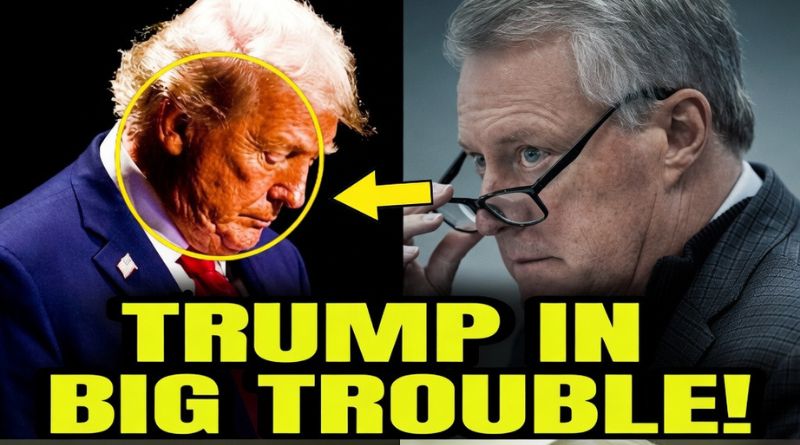
Mark Meadows, Trump’s former Chief of Staff and a key insider, has provided sworn testimony before a federal grand jury. According to reports, Meadows stated he warned the president that claims of widespread 2020 election fraud were baseless.
This testimony potentially undermines defenses relying on the president’s “sincere belief” in election irregularities. Legal analysts note it could complicate arguments in ongoing probes related to January 6 and efforts to challenge state certifications. Meadows, who was present for critical decisions, had previously cooperated to varying degrees before receiving immunity considerations.
The White House and Trump allies have dismissed such accounts as politically motivated or the result of pressure, framing them as part of a continued “witch hunt.”
Iran Rhetoric and Congressional Response
Tensions escalated earlier this month when President Trump issued strong social media warnings to Iran over the Strait of Hormuz, stating a “whole civilization would die tonight” if the strait remained closed. The rhetoric prompted bipartisan concern, with over 70 lawmakers—led by figures including Sen. Ed Markey, Rep. Ayanna Pressley, and Rep. Seth Moulton—calling for invocation of the 25th Amendment or new impeachment proceedings, citing risks to stability.
Discussions of Section 4 of the 25th Amendment—allowing the vice president and cabinet (or a congressional commission) to declare presidential incapacity—have gained visibility, though success would require a two-thirds congressional vote. Democrats have introduced related legislation, but prospects remain limited in a divided Congress.
Broader Implications
These events highlight ongoing friction between the executive branch, courts, and Congress. The tariff refunds test the administration’s ability to manage fiscal fallout, while Meadows’ testimony adds to the historical record on 2020–2021 events. The Iran episode underscores debates over presidential communication and foreign policy.
Whether these amount to a temporary setback or deeper structural pressure depends on political dynamics, upcoming legal outcomes, and public response. The constitutional system continues to test claims of unchecked authority, with records, texts, and court filings shaping the narrative ahead.