Adam Sandler and the Viral Slogan “Make America Trumpless Again”: A Case Study in Digital Virality
Recent online conversations have thrust comedian and actor Adam Sandler back into the public eye, this time through his alleged association with the provocative slogan “Make America Trumpless Again.” The phrase, a clear play on Donald Trump’s iconic “Make America Great Again” campaign motto, has proliferated across social media platforms, appearing in memes, protest signs, merchandise, and heated political discussions. While the slogan itself reflects ongoing anti-Trump sentiment in certain circles, the specific tie to Sandler remains unsubstantiated and highlights the rapid, often unchecked spread of information in today’s digital landscape.
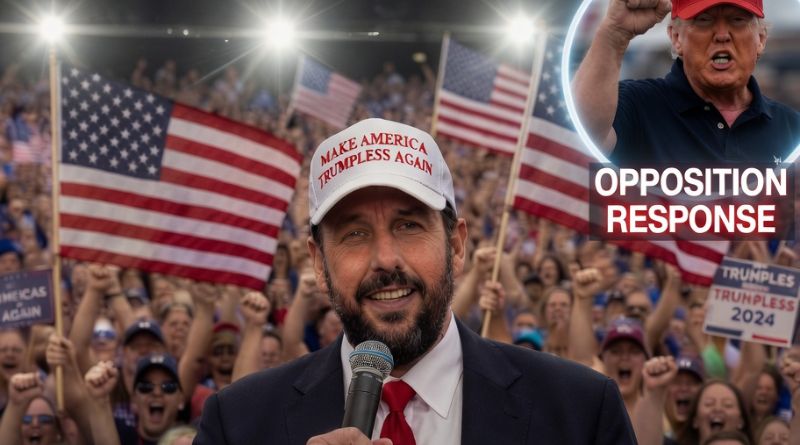
The slogan gained traction primarily through grassroots sharing on platforms like Instagram, Facebook, and X. Users have posted images—some seemingly AI-generated—of Sandler wearing or holding items emblazoned with the phrase, accompanied by captions suggesting he is actively championing the movement. These posts frequently describe the slogan as a rallying cry for those seeking to diminish Trump’s influence in American politics, encouraging voters to support candidates outside the MAGA sphere. Public demonstrations and online communities have amplified the message, turning it into a broader cultural talking point that blends entertainment celebrity with partisan politics.
However, despite the widespread circulation, there is no credible evidence that Adam Sandler created, endorsed, or even acknowledged the slogan. Fact-checking reports and statements from reliable sources indicate that the connection stems from unverified social media accounts known for generating clickbait celebrity content. Sandler, who has largely avoided overt political activism in recent years, has not issued any public statement on the matter through his official channels, representatives, or interviews. His past political involvement has been limited and bipartisan-leaning at times—he performed at the 2004 Republican National Convention and supported Rudy Giuliani’s 2008 presidential bid—but he has steered clear of endorsing major candidates or movements in the Trump era.
This phenomenon underscores several dynamics of modern media. First, recognizable public figures like Sandler, with his massive fan base from films such as Happy Gilmore, Uncut Gems, and numerous Netflix comedies, serve as powerful magnets for attention. Attaching a beloved name to controversial content dramatically increases engagement, shares, and visibility, regardless of accuracy. Second, the speed of digital dissemination often outpaces verification. A single post can evolve into thousands of reposts within hours, creating an illusion of consensus or legitimacy. Third, the blurring of entertainment and politics has become commonplace, as audiences increasingly expect—or project—celebrities into ideological battles.
Experts in digital communication and political science note that such viral associations can shape public perception even when baseless. They contribute to a fragmented information environment where speculation feels like news. In this case, independent merchandise featuring the slogan (hats, shirts, and signs available on sites like Etsy and eBay) exists without any Sandler involvement, yet opportunistic sellers sometimes include his name for marketing appeal.
Sandler’s enduring appeal lies in his everyman comedy style and relatable screen presence rather than political outspokenness. Fans appreciate his focus on family-friendly humor and dramatic roles, which transcend partisan lines. The renewed attention, whether deserved or not, illustrates how easily entertainment personalities can be drawn into cultural wars.
Ultimately, the episode serves as a reminder of the importance of media literacy. In an era of rapid information sharing, audiences must prioritize verified sources over sensational headlines. While “Make America Trumpless Again” continues to circulate as a symbol of political dissent for some, its linkage to Adam Sandler appears to be another example of internet folklore—entertaining in its spread, but lacking in factual foundation. As digital platforms evolve, distinguishing between organic trends and manufactured associations will remain a critical skill for informed citizenship.