A Free Press Under Pressure: Why Journalists Must Respond with Clarity and Unity
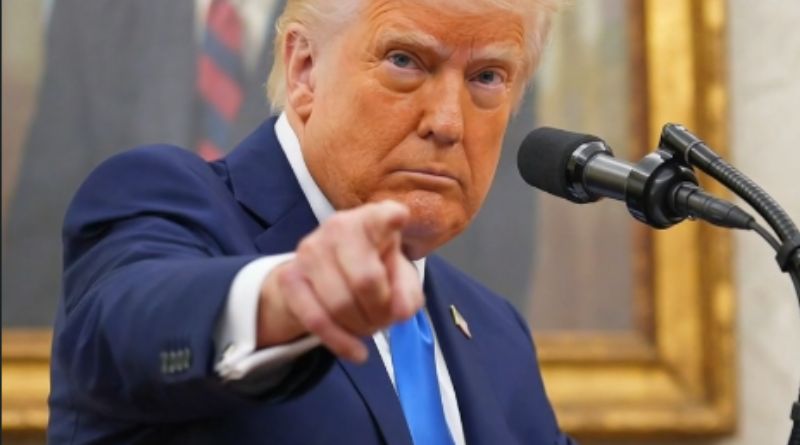
The room fell silent. Reporters stared back—some stunned, others already typing furiously—as Donald Trump declared that the press was “going to change.” Not policy. Not foreign conflicts. Not even his usual targets. Them. Their work. Their future. In that moment, the line between vigorous criticism and open retaliation felt like it had snapped. Every journalist in the room understood the gravity. A free press cannot treat such threats as mere soundbites or routine political theater. Democracy’s safeguard demands a stronger response.
The first imperative is radical clarity. News organizations must explain, relentlessly and without apology, why an independent press exists. It is not a luxury or a privilege for elites. It is a constitutional necessity designed to protect the public from unchecked power. A free press informs citizens, exposes corruption, questions official narratives, and holds leaders accountable—regardless of party. When presidents decide which stories are “allowed” and which journalists are compliant enough to retain access, democracies begin to erode. History offers clear warnings: from authoritarian regimes that co-opted media to subtler democratic backsliding where criticism is reframed as disloyalty. Journalists must meet this moment by showing their work transparently—tightening sourcing standards, correcting errors swiftly and prominently, and refusing to let adversarial relationships devolve into performative outrage.
This is not about shielding flawed coverage or ignoring legitimate grievances about bias, sensationalism, or declining trust. Media outlets have real problems, including ideological echo chambers and incentive structures that reward conflict over nuance. But the solution is not government retaliation or selective access. It is better journalism. Readers deserve rigorous reporting that prioritizes facts over narrative, verification over speed, and public interest over clicks.
The second imperative is solidarity. In an era of intense competition, newsrooms that normally battle for scoops and audiences must link arms on core principles. Shared statements defending press freedom, joint legal defenses against unconstitutional restrictions, coordinated investigations into matters of public importance, and a collective refusal to accept gag orders, blacklists, or “access-for-obedience” arrangements are essential. Press freedom organizations, local outlets, independent journalists, and national organizations should function as one resilient ecosystem rather than isolated brands fighting for survival.
When any administration hints that the rules of engagement will change, the press must deliver a unified, unwavering message: The First Amendment is not negotiable. It does not grant government the power to license journalism or punish unfavorable coverage. We will continue reporting aggressively, even when it displeases the powerful.
This is not partisan warfare. It is the defense of a free society’s immune system. Citizens ultimately decide whether media deserves their trust through consumption choices and demand for quality. But they cannot make that judgment in an environment where power dictates the boundaries of acceptable inquiry. The press must rise to this challenge with professionalism, transparency, and resolve. Democracy depends on it.