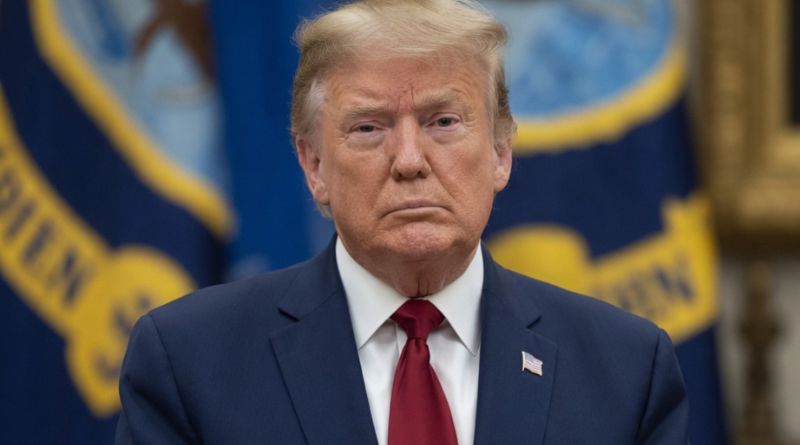
The room hesitated. A beat of silence, then laughter that arrived late and uncertain. Donald Trump had just called himself “the bottom of the totem pole.” On the surface, it was classic Trump—self-aware showmanship wrapped in a joke. But the line carried an unfamiliar edge. For a man whose brand is built on dominance, inevitability, and unyielding strength, placing himself at the bottom of any hierarchy felt deliberately off-script.
He followed it with a punchline that lingered: if he ended the war, “maybe they’ll let me in.” Delivered with his usual rhythm, the remark framed peacemaking not as a solemn duty but as a transactional ticket to acceptance. Who “they” were was left unspoken—an unnamed gatekeeper whose approval still seemed to matter. The audience laughed again, but the sound was thinner this time, more relief than delight. Jokes often serve as exits from discomfort, and this one invited people to move on without dwelling.
Yet the moment exposed a long-running tension in Trump’s persona. He has spent years positioning himself as the ultimate outsider battling entrenched elites, while simultaneously craving recognition from the very institutions he mocks. He dismisses awards and rankings as rigged, then cites them as proof of greatness. He claims indifference to elite opinion, yet measures himself against it. The totem-pole quip and the plea to be “let in” distilled that contradiction: a figure who projects total control quietly acknowledging external judgment.
This wasn’t emotional vulnerability in the conventional sense. It was status anxiety—awareness of doors that remain closed and rooms he still wishes to enter. Trump’s political strength has always depended on certainty and dominance. For a fleeting instant, the script faltered. He spoke in the language of access rather than conquest, of conferred legitimacy rather than inherent power.
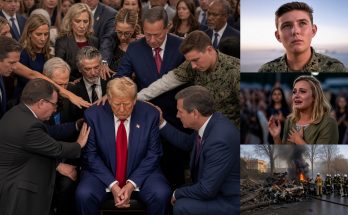
Supporters heard the remark as familiar Trumpian flair—part boast, part humble-brag. Critics saw something else: a revealing slip. The accompanying phrase “Pray for President Trump” amplified the ambiguity. To some it was a sincere call for protection; to others, an ironic underscore of the unease.
In the end, Trump moved on, reasserting momentum as he always does. The laughter faded and the event resumed its familiar rhythm. But the exchange left a subtle friction. In a politics of performance, such unguarded notes matter—not because they signal collapse, but because they briefly humanize the machinery. Humor can shield and reveal at once. For one brief moment, Trump stepped outside the role he has perfected, and the room felt the shift before it could name it.