The Shattering: How Strikes on Iran Opened a Perilous New Chapter
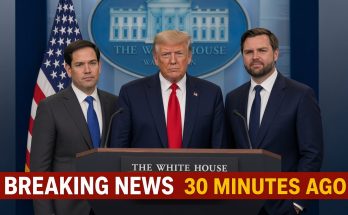
The first explosions did more than reduce buildings to rubble. They demolished the fragile illusion that the long-simmering conflict with Iran could still be contained. In the pre-dawn hours, jets from the United States and Israel unleashed a coordinated barrage on targets deep inside Iranian territory. As flashes lit up the sky and shockwaves rolled across the landscape, the world suddenly found itself watching a dangerous new chapter unfold in real time.
Allies across the Middle East reacted with cautious statements, weighing their words carefully to avoid inflaming tensions further. Global markets, however, offered no such restraint. Oil prices surged instantly, shipping stocks tumbled, and stock exchanges from New York to Tokyo registered sharp declines as investors grappled with the possibility of disrupted energy flows through the Strait of Hormuz. One urgent question echoed through foreign ministries, intelligence briefings, and ordinary households alike: Would this escalation ignite a wider regional war?
The operation, reportedly codenamed Operation Epic Fury, represented a major joint effort by U.S. and Israeli forces to degrade Iran’s military infrastructure and nuclear capabilities. Officials from both nations described the strikes as necessary to neutralize what they called an imminent threat. Targets included hardened air-defense systems, ballistic missile production facilities, naval assets, and sites linked to Iran’s nuclear program. The goal, they emphasized, was not regime change but prevention—disrupting Iran’s ability to launch future large-scale attacks and buying time for diplomacy under stronger leverage.
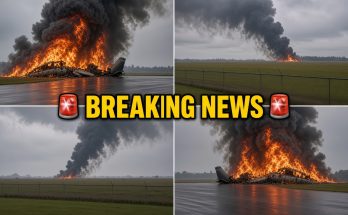
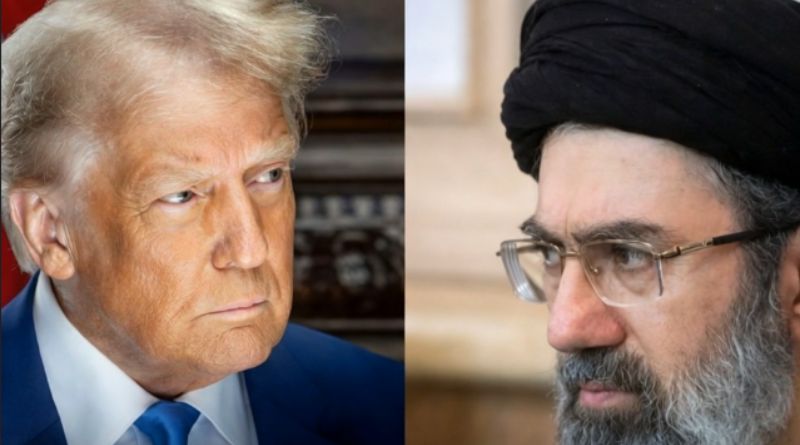
Dramatic images and videos quickly flooded social media and news networks. Satellite footage revealed craters where compounds once stood. Smoke billowed from destroyed radar installations and missile launch sites. Iranian state television countered with its own narrative, broadcasting footage of intercepted missiles and downed drones while downplaying the damage. Tehran’s leadership responded with fiery rhetoric, vowing “devastating revenge” and promising retaliation that would match the scale of the assault.
Behind closed doors, diplomats from Europe, China, and Gulf states scrambled to contain the fallout. Urgent calls urged restraint on all sides. Several governments issued public warnings that further escalation could destabilize the entire Middle East, trigger refugee crises, and send energy prices spiraling out of control. The United Nations Security Council convened emergency sessions, though deep divisions among permanent members limited immediate progress.
On the ground, the human cost became painfully real. In Tehran, families huddled in basements or hurried to shelters as sirens pierced the night. In Tel Aviv and other Israeli cities, residents checked emergency apps and listened anxiously for updates. Parents reassured children even as uncertainty gripped their own hearts. Many wondered whether the night’s violence would remain a limited exchange or mark the beginning of a prolonged and far bloodier confrontation.
Weeks later, the initial shock has given way to a fragile, conditional ceasefire. Yet the underlying tensions—nuclear ambitions, proxy conflicts, and deep-seated mistrust—persist. The explosions of late February 2026 shattered more than concrete and steel. They forced the world to confront a sobering reality: in an era of precision strikes and instant global connectivity, containing conflict may be more difficult than ever.