The Press Under Pressure: Trump’s Warning and the Defense of Independence
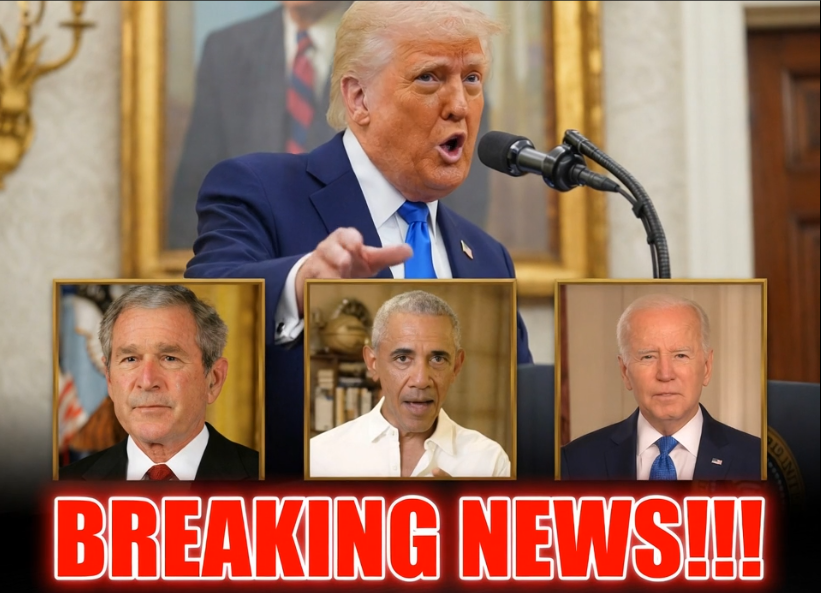
The briefing room fell silent. Reporters exchanged glances—some stunned, others already tapping furiously—as President Donald Trump declared that the press itself “is going to change.” Not policy. Not foreign threats. The institutions covering him. In that moment, the long-running tension between the president and the media crossed into new territory. What had been sharp criticism now sounded like an explicit promise of structural reckoning.
A free press is not a luxury; it is a constitutional necessity. The First Amendment exists precisely to prevent any administration—left, right, or center—from deciding which stories may be told and which journalists may tell them. When a leader signals that the rules of engagement will shift, the proper response is not panic but radical clarity. Journalists must explain, relentlessly and without jargon, why independent reporting matters: it protects the public from unchecked power, surfaces inconvenient facts, and gives citizens the information they need to hold government accountable. Democracies weaken when leaders pick favorites, when access becomes leverage, and when stories are shaped by fear of retaliation rather than evidence.
This moment demands more than defensive editorials. It requires journalists to tighten standards. Correct errors quickly and transparently. Show the work. Avoid anonymous sourcing when possible and label opinion as opinion. The public’s trust in mass media has hovered near historic lows for years—not solely because of presidential attacks, but because of documented failures: suppressed stories, groupthink on major issues, and a visible ideological skew in national newsrooms. Rebuilding credibility means confronting those weaknesses head-on rather than dismissing skepticism as authoritarianism.
The second imperative is solidarity without cartel behavior. Newsrooms that compete fiercely on ordinary days should still stand together when core press freedoms are challenged. Joint legal defenses, shared statements rejecting gag orders or blacklists, and coordinated pushback against unconstitutional pressure make sense. Local outlets, independent journalists, and major networks form one ecosystem under the same constitutional umbrella. The message should be straightforward: the First Amendment is not negotiable, and no president gets to rewrite its boundaries.
Yet solidarity must not become self-protection at the expense of accountability. When the press circles wagons to shield its own biases or past mistakes, it fuels the very distrust that makes aggressive presidential rhetoric popular. The public sees both sides: a president who often escalates personal attacks, and a media ecosystem that has sometimes treated administrations it dislikes as existential dangers while softening scrutiny of those it favors.
Trump’s blunt style is not new. Every modern president has pressured, excluded, or criticized reporters. The difference lies in tone and the public’s eroded confidence in gatekeepers. The press’s best defense is not outrage but excellence—reporting that earns respect through fairness, rigor, and independence. The Constitution protects the right to publish. It does not guarantee admiration or insulation from criticism. In that tension lies the health of the republic.