In a significant development for European defense cooperation, representatives from 13 countries have joined Ukraine in launching a new “anti-ballistic coalition.” The initiative, announced by President Volodymyr Zelenskyy following a high-level meeting of national security advisers in Kyiv on May 12, 2026, aims to strengthen collective air and missile defense capabilities across the continent.
The coalition focuses on ramping up joint production of anti-ballistic missile systems in Europe. Its primary goal is to reduce heavy reliance on U.S.-supplied Patriot interceptors, which remain in limited global supply. With Russia continuing intense ballistic missile barrages against Ukrainian cities—more than 700 reported over the winter months alone—European nations are accelerating efforts to manufacture systems such as the Franco-Italian SAMP/T (Aster 30) and exploring expanded production of other interceptors.
Senior officials describe the effort as a defensive industrial partnership rather than a new military alliance. It builds on existing bilateral projects, including German-Ukrainian plans for Patriot-related manufacturing in Bavaria. By fostering multilateral commitments, participants hope to achieve greater self-sufficiency in missile defense by 2027. NATO representatives also attended the Kyiv meeting, underscoring the initiative’s alignment with broader transatlantic security goals.
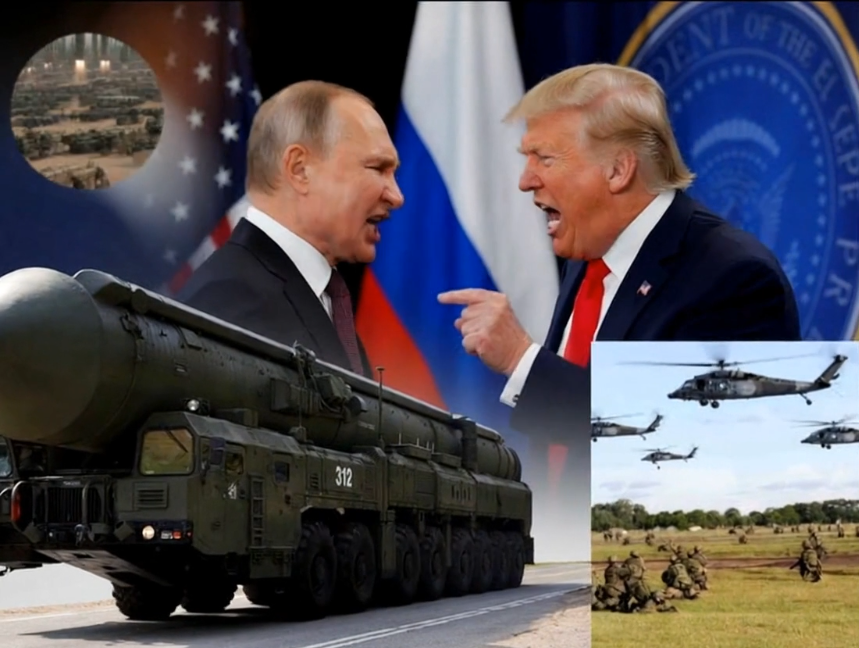
The announcement comes against a backdrop of escalating Russian attacks and growing concerns over long-range strike capabilities. Imagery shared in recent days showing missile transport vehicles and defense hardware has amplified public and market attention, though officials emphasize deterrence and preparedness rather than imminent offensive action.
World leaders have called for continued diplomatic engagement even as emergency consultations occur at international forums. Analysts view the coalition as part of Europe’s wider rearmament trend since the full-scale invasion of Ukraine in 2022. While it signals stronger unity among participating states, experts caution that meaningful production increases will require sustained investment, supply chain improvements, and political commitment.
As global attention remains fixed on the region, the coalition represents a pragmatic step toward bolstering defensive resilience. Whether it contributes to de-escalation or further entrenches opposing blocs will depend on developments in the months ahead. For now, the focus stays on industrial cooperation and protecting civilian populations from ballistic threats.