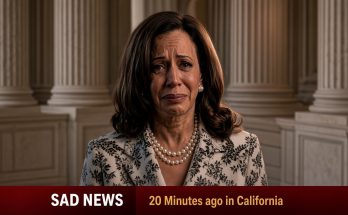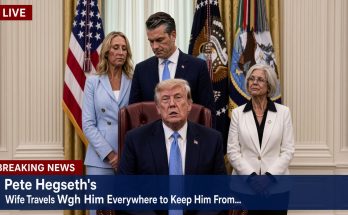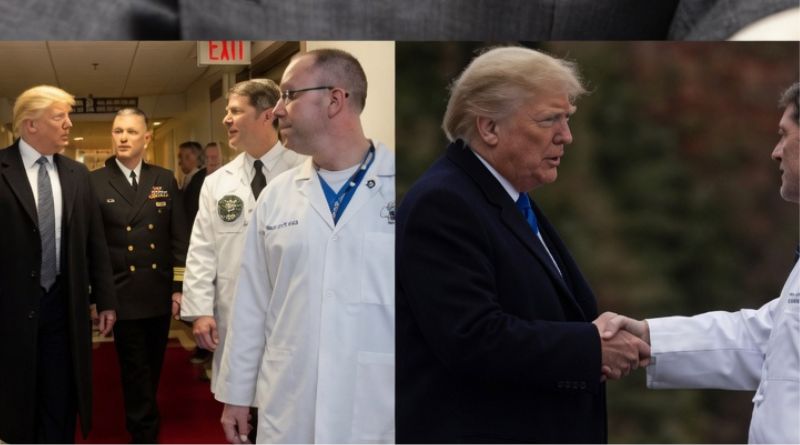
As of May 17, 2026, there are no verified reports from any major news organization indicating that President Donald Trump has been shot in Washington, D.C., or anywhere else. Claims circulating on social media and YouTube with headlines like “20 minutes ago: Shock in D.C.: President Donald Trump shot AGAIN” are unfounded. These posts rely on sensational language, recycled footage, or outright fabrication to generate clicks and shares. No statements from the White House, Secret Service, or law enforcement support such allegations, and trusted outlets including AP, Reuters, BBC, The New York Times, and others are not reporting any new incident.
The only confirmed shooting involving Trump occurred on July 13, 2024, during a campaign rally in Butler, Pennsylvania. A gunman opened fire from a rooftop with an AR-style rifle, grazing Trump’s right ear. One rally attendee was killed, and several others were injured. The shooter was neutralized by Secret Service agents at the scene. Trump was quickly evaluated medically and released. The event was thoroughly investigated by the FBI and received extensive global coverage.
Since that attack, several security incidents have been misrepresented online as new assassination attempts. In September 2024, gunshots were reported near Trump’s Florida golf club, prompting a Secret Service response, but Trump was unharmed. In April 2026, an armed man approached a security checkpoint at an event in Washington, D.C., leading to shots fired and Trump’s temporary evacuation along with others. The suspect was arrested, and no one in the main area was injured. Trump was not struck in that incident either. More recent reports of shootings near the White House involved National Guard members and were unrelated to any direct threat against the president.
These separate events are frequently taken out of context or combined with old footage to create misleading “breaking news” videos. Dramatic titles and thumbnails exploit public anxiety, encouraging rapid sharing before facts can be checked. In today’s digital landscape, emotionally charged content spreads faster than verified information. Platforms like YouTube, Facebook, TikTok, and X amplify unverified claims, often prioritizing engagement over accuracy.
This pattern reflects a broader challenge with online misinformation. Fabricated or exaggerated stories about high-profile figures thrive because they trigger fear, anger, or outrage. Without immediate fact-checking, false narratives can gain millions of views in hours. However, an event as significant as an attack on a sitting U.S. president would trigger immediate, consistent reporting across all reputable sources, along with official briefings.
Recent legitimate news about Trump has focused on policy matters, international diplomacy (including ceasefire discussions), economic updates, and political developments—not violence. When evaluating such claims, it is essential to rely on established news organizations with rigorous standards rather than isolated videos or social media posts.
The lesson is clear: approach sensational “minutes ago” headlines with skepticism. Cross-check multiple credible sources, look for official confirmations, and avoid sharing content based solely on emotional appeal. In an era of instant information, verifying facts remains the best defense against misinformation. Staying informed means prioritizing accuracy over speed.