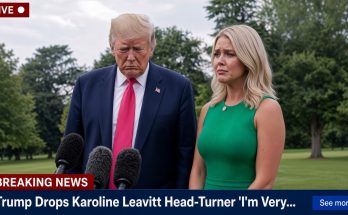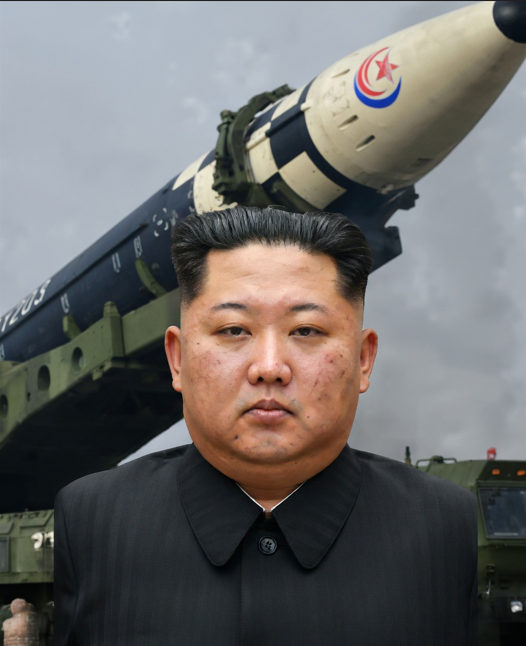
At first glance, the headline suggests an urgent global crisis involving North Korea and Donald Trump. The wording appears deliberately alarming, stopping at the phrase “threatens directly…” without explaining what actually happened. That missing detail is intentional—it’s the hook designed to draw readers in.
However, once you read the full article, the dramatic setup quickly falls apart. There is no confirmed military strike, no verified declaration of war, and no official emergency announcement. Instead, the story drifts into exaggerated satire involving kidneys, gastronomy, and references to a so-called “binational apocalypse.” The serious geopolitical framing turns out to be little more than bait.
This tactic reflects a common form of high-impact clickbait. Headlines often combine well-known political figures, urgent language such as “BREAKING” or “IMMINENT,” and incomplete sentences that leave readers imagining the worst. By stopping the headline before any real context appears, it allows the audience to assume a catastrophic scenario that may not exist. In reality, the article offers no verified evidence of new military action or escalating conflict. The key takeaway is simple: sensational headlines can create fear or urgency without presenting real facts. Before reacting to alarming claims involving world leaders or international tensions, it’s always wise to confirm the information through reputable news organizations. Facts may travel slower than dramatic headlines—but they remain far more important.