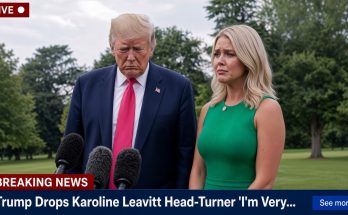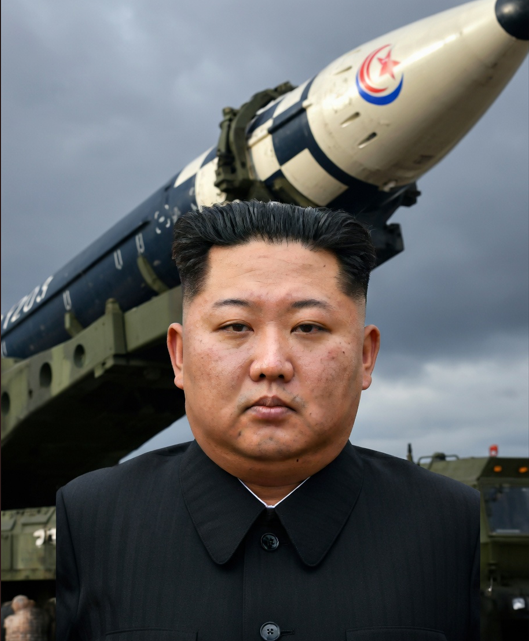
At first glance, the headline gives the impression of a major global emergency involving North Korea and former U.S. President Donald Trump. The wording is intentionally alarming, using the phrase “threatens directly…” without finishing the thought. By cutting the sentence before providing any real details, the headline creates a sense of urgency and fear.
That missing context is the strategy. When readers open the full story, the dramatic tension quickly falls apart. There is no confirmed military strike, no verified declaration of war, and no official crisis described. Instead, the article veers into exaggerated and chaotic satire involving kidneys, gastronomy, and a so-called “binational apocalypse.” The political framing that drew readers in turns out to be little more than bait.
This approach reflects a familiar pattern used in high-impact clickbait. Headlines often rely on recognizable global figures, combine them with emotionally charged words like “breaking,” “apocalypse,” or “imminent,” and then stop short of revealing the actual claim. The incomplete phrasing encourages readers to imagine the worst possible outcome before they even read the story. When a headline ends with “threatens…,” many people immediately think of missiles, nuclear conflict, or a sudden geopolitical crisis—even when the article itself provides no such evidence. In short, the story presents no verified military action and no confirmed declaration of war. Instead, it amplifies emotion to drive clicks. When headlines involve major political figures or international tensions, checking reliable global news sources is always the safest way to separate fact from sensationalism.