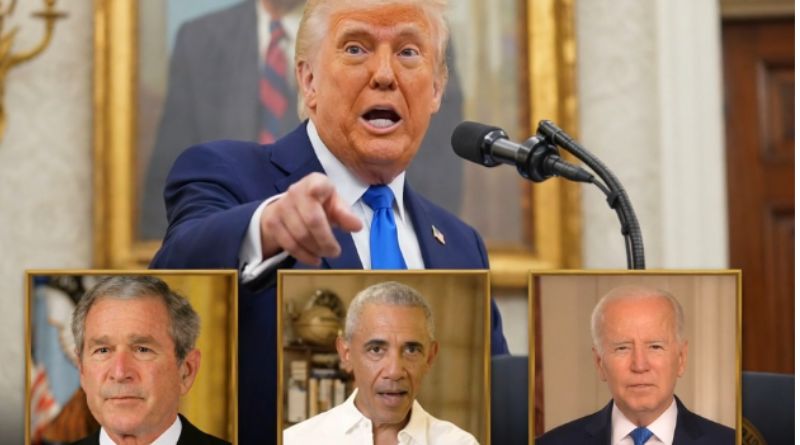
The room fell silent as Donald Trump declared the press “going to change.” Not policy proposals or foreign threats — the press itself. Their reporting, their role, their future. In that moment, the boundary between vigorous criticism and potential retaliation felt dangerously thin. Journalists across the briefing room recognized the stakes immediately. For a free press, this cannot be dismissed as mere campaign rhetoric or another soundbite.
An independent press exists to serve the public, not any administration. It safeguards democracy by exposing corruption, questioning authority, and delivering verifiable information so citizens can make informed decisions. History shows how quickly democratic norms erode when leaders decide which stories are permissible and which journalists are “fair.” From authoritarian regimes that nationalize media to subtler pressures like selective access or threats of regulation, the pattern is clear: unchecked power grows when accountability fades.
The first essential response must be radical clarity. News organizations need to explain, relentlessly and accessibly, why press independence matters. They must show the public how independent journalism protects against government overreach, corporate influence, and elite capture. This means doubling down on transparency: rigorous fact-checking, clear sourcing, prominent corrections, and open acknowledgment of past errors. Standards must tighten, not to appease critics, but to earn public trust through performance. When power pushes back, journalists must stand firmer, not retreat.
The second response is solidarity across the industry. While newsrooms compete fiercely for scoops and audiences, threats to core press freedoms demand unity. Shared public statements, coordinated legal defenses against unconstitutional restrictions, joint investigations on issues of broad importance, and mutual support for smaller outlets facing retaliation are vital. Local newspapers, digital independents, and national organizations should function as an ecosystem defending the same principle: the First Amendment protects vigorous, even adversarial, reporting — not access-for-obedience arrangements or blacklists.
This unity must be principled, not partisan. The press has faced criticism from multiple administrations. Rebuilding credibility requires consistent application of standards regardless of who holds office. When a president signals that the rules of engagement will shift, the answer should be straightforward and unwavering: the Constitution guarantees a free press, and we will continue to fulfill that role without compromise.
Democracy functions best with an informed citizenry. That requires journalists who inform rather than perform, who question all power equally, and who defend their independence through excellence, not declarations alone. The coming years will test whether the press meets this challenge.