The first explosions shattered more than buildings in Iran. They demolished the fragile hope that the long-simmering conflict could still be contained through diplomacy. In the early hours of February 28, 2026, jets and missiles from the United States and Israel unleashed a coordinated barrage on targets across Iran, launching what became known as Operation Epic Fury. The world suddenly found itself watching a dangerous new chapter in Middle East history unfold in real time.
Inside Tehran, military commanders scrambled under fire to assess the damage as plumes of smoke rose over key sites. Iranian air defenses, missile production facilities, naval assets, and leadership compounds were hit in rapid succession. U.S. and Israeli officials described the operation as a necessary strike against infrastructure posing an imminent threat—particularly Iran’s nuclear program, ballistic missile capabilities, and support for regional proxies. The goal, they said, was to degrade Iran’s ability to project power and prevent future attacks.
Images and videos quickly flooded social media, showing damaged compounds, destroyed radar installations, and fires raging at military bases. Iranian state media acknowledged some strikes but claimed many incoming missiles and drones had been intercepted. In fiery televised addresses, Iranian leaders vowed “devastating revenge,” warning of retaliation that could engulf the region.
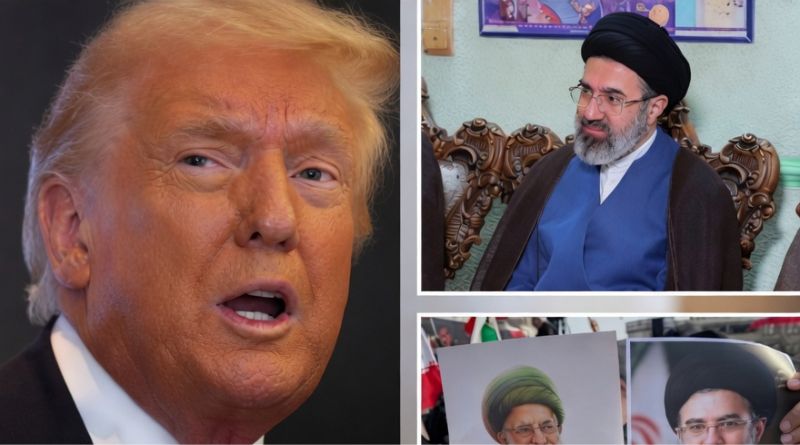
The strikes came during a period of high tension, coinciding with ongoing nuclear talks. They immediately killed Supreme Leader Ali Khamenei and other senior figures, decapitating parts of the regime’s command structure in the opening hours. Retaliatory Iranian missiles and drones soon targeted Israel, U.S. bases, and Gulf states, triggering a broader conflict that lasted weeks and claimed thousands of lives on multiple sides.
Allies across the Middle East reacted with caution. European diplomats and others urgently called for restraint, warning that unchecked escalation could destabilize the entire region and disrupt global energy supplies through the Strait of Hormuz. Global markets reacted instantly, with oil prices spiking amid fears of wider war.
Meanwhile, ordinary families in Tehran, Tel Aviv, and cities across the Gulf waited anxiously. Many spent nights checking phones for alerts, listening for sirens, and wondering whether the explosions marked an isolated operation or the start of something far larger. In the days that followed, the fighting intensified before a fragile ceasefire took hold in early April. Even now, in mid-May 2026, the situation remains tense, with diplomacy ongoing but the risk of renewed violence ever-present.
The opening salvos of Operation Epic Fury did more than weaken military targets—they reshaped assumptions about containment and red lines in one of the world’s most volatile regions.