Israel Under Heightened Security Alert Amid Regional Tensions
Israel has entered a phase of heightened security alertness as regional tensions persist in the Middle East. Officials report increased military readiness and expanded defensive measures in response to ongoing threats from Iranian-backed groups and broader geopolitical uncertainties. While the situation remains fluid, authorities stress that these precautions aim to safeguard civilians and preserve national security.
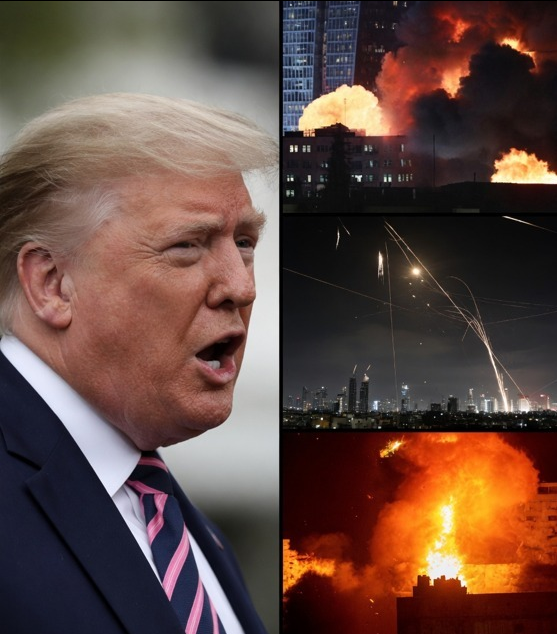
The country’s strategic location places it at the heart of complex dynamics involving state and non-state actors. Longstanding issues—territorial disputes, ideological rivalries, and proxy conflicts—continue to shape the environment. Recent developments build on earlier escalations, including the 2026 U.S.-Israel strikes on Iranian targets that began in late February. A fragile ceasefire took hold in early April, yet sporadic violations and military posturing keep tensions high.
Israeli forces have activated multiple protective systems. These include enhanced surveillance, intensified intelligence sharing, operational air defense networks like the Iron Dome, and boosted readiness for emergency services. Civil defense authorities have issued advisories for major cities, urging residents to stay updated via official channels and prepare for potential disruptions. In northern Israel, extended warning times for incoming threats have been implemented in dozens of communities.
Security experts highlight the challenges of modern regional conflicts, where responsibility for incidents can be hard to attribute quickly. Analysts point to a mix of factors: Iran’s nuclear ambitions and support for proxies like Hezbollah, territorial frictions, and shifting international alliances. Hezbollah has continued rocket and drone attacks from Lebanon despite ceasefire extensions, prompting Israeli retaliatory strikes on infrastructure in southern Lebanon.
Diplomatic Efforts and International Response
Israeli leadership balances robust defense with diplomatic outreach. Prime Minister Benjamin Netanyahu’s government coordinates closely with international partners, particularly the United States, to clarify intentions and prevent miscalculations. Global actors, including the United Nations, call for restraint, de-escalation, and protection of civilians. Humanitarian concerns remain pressing, with communities facing uncertainty, displacement, and economic strain.
Beyond immediate security, the human toll underscores the need for accurate information and support. Prolonged tensions disrupt daily life, affect mental health, and strain resources in border areas.
As developments unfold, close monitoring of diplomatic channels offers hope for stability. Sustainable peace requires addressing root causes—such as proxy disarmament, verified agreements on nuclear issues, and regional economic cooperation. While challenges are formidable, continued dialogue remains the most viable path toward long-term security in this volatile region.